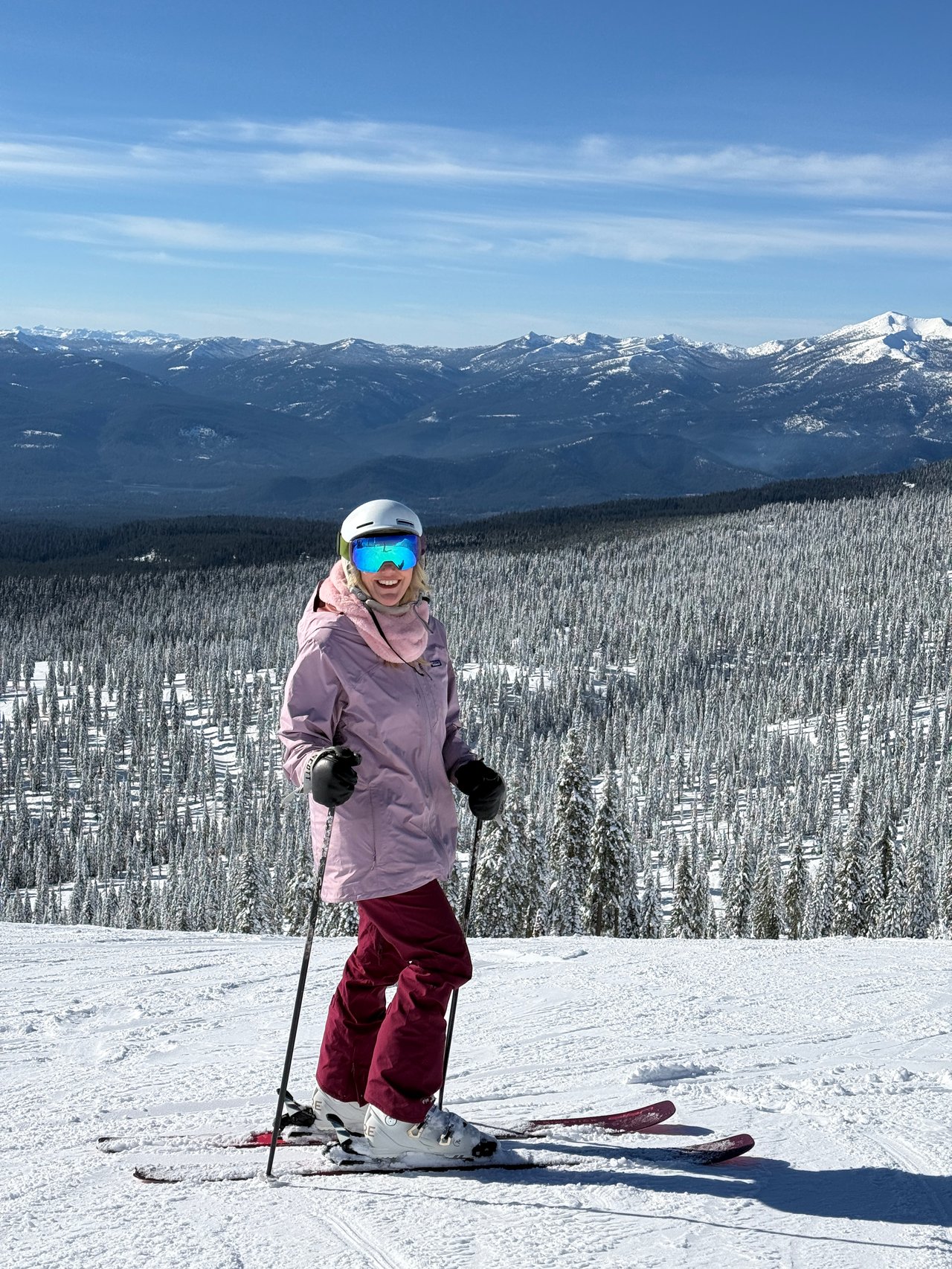
Winter Home Shopping in Mount Shasta: What To Expect
November 21, 2025
November 21, 2025
Looking at homes in Mount Shasta this winter? You are smart to tour now, because cold weather reveals how a property truly performs. You want safe access, clear answers about heating and utilities, and confidence that what you cannot see under snow will be addressed. In this guide, you will learn how to plan winter showings, what to inspect, which services to verify, and how to protect your purchase with seasonal contingencies. Let’s dive in.
Mount Shasta sits around 3,500 to 3,600 feet in elevation, so winter brings cold temperatures and regular precipitation. Snow is common in town and builds quickly at higher elevations. Weather can change fast with mountain storms, and brief, intense systems may limit visibility and make roads icy.
Interstate 5 is the main corridor through Siskiyou County and is plowed frequently, while steep local roads and mountain passes can be slower to clear. Always check Caltrans road conditions and chain controls before you head out. For storm timing and warnings, use the National Weather Service Medford office, which serves much of Siskiyou County.
During heavy snow, private services may adjust schedules. Propane deliveries, snow removal, and some rural utilities may be delayed, and power outages are more likely. For local updates, see Siskiyou County Public Works for county road notices and the City of Mount Shasta Public Works page for city plowing and municipal services.
Ask early whether the driveway and a safe walkway to the front door will be cleared and salted. If you are booking photography or inspections, request the same. Build in extra travel time, and keep appointment windows flexible in case a storm slows access or triggers a reschedule. If you are buying from out of the area, request a high‑quality virtual tour filmed in winter and photos from non‑winter months to show landscaping, driveway slope, and grading.
Use AWD or 4WD with winter tires when possible, and carry chains when storms or chain control are likely. Confirm where you can park, because narrow rural roads or unplowed shoulders may not be safe. Ask the seller about driveway grade, whether it is paved, and if they use a plow service. Steep or unplowed driveways can be impassable when icy.
Your agent should verify that lockboxes and gates are accessible, since boxes can freeze. Inspectors and appraisers may need clear access to the furnace, water heater, electrical panel, crawlspaces, and HVAC units, so make sure paths to those areas are cleared inside and out.
Cold weather exposes heating performance. Identify the heating type, such as forced air, baseboard, heat pump, pellet or wood stove, or propane furnace. Ask for winter utility bills, service records, and the age of major equipment. Inquire about standby or portable generators, given that outages are more common during storms.
Watch for cold spots, drafts, or rooms that heat unevenly. Condensation on windows and ceiling stains can point to insulation gaps or ventilation issues. Note window type and age, and ask about duct sealing and attic insulation levels.
Snow can hide roof shingles, flashing, and gutters. Winter is the best time to spot ice dams and attic heat loss, which may show up as icicles or interior stains along exterior walls. If the roof is covered, request recent photos from a clear season and any roof maintenance records.
Snow often conceals grading, swales, and runoff pathways. Ask the seller for melt‑season photos or drainage reports to see where water flows. If you have spring floodplain concerns, review the FEMA Flood Map Service Center for base flood elevations and mapping context.
Winter can highlight moisture problems. Look for musty odors, efflorescence, or water staining on foundation walls. Confirm that exposed pipes in garages or crawlspaces are insulated. For homes on private wells, ask about well depth, pump age, and winter performance. Test hot water recovery and venting.
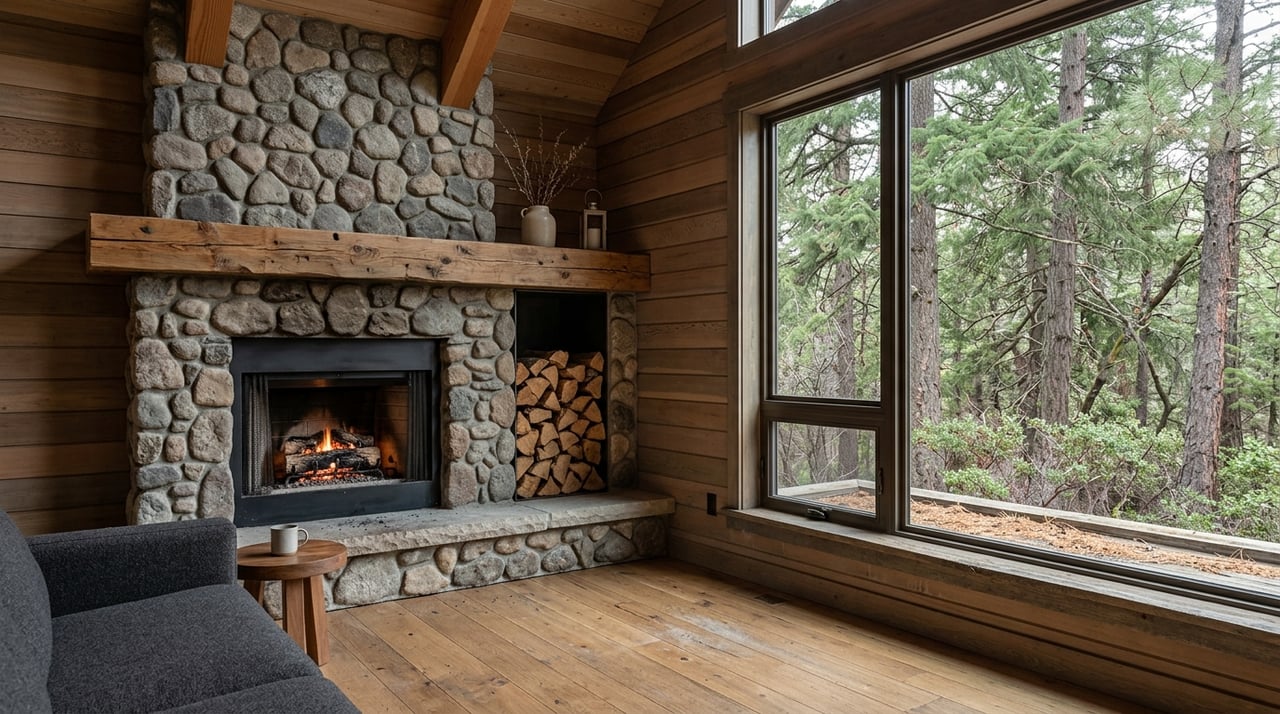
If a fireplace or stove is a key feature, request permits and service records. Ask about creosote cleaning and flue integrity. Operate only if the seller confirms recent service and safe use.
Soil saturation in winter can stress septic systems. Ask for pumping records and consider an inspection. Some tests are best performed in drier conditions, so plan for follow‑ups if needed.
Large or flat roofs can hold heavy snow, so review roof design, maintenance history, and any local snow‑load considerations. For unusual structures or significant spans, your inspector can advise on next steps.
Landscaping, siding, exterior stairs, erosion patterns, roof shingles, and paint may be hidden. Request off‑season photos, specific disclosures, and a purchase contingency for a spring walk‑through to inspect exterior items after melt.
Standard inspections proceed in winter, but some elements may be restricted if snow covers roof surfaces or grounds. Use conditional language on seasonal items and include time for follow‑up checks in spring. Your appraiser may note limited visibility of exterior features, and lenders typically accept reasonable conditions with future proof, like clear photos or minor repairs once accessible.
Insurance is an important winter topic. Ask the seller about any past claims related to winter weather, such as ice dam damage, frozen pipes, or roof issues. Discuss coverage and premiums with your insurer, and confirm that winter perils are not excluded. For utilities, note the electricity provider, typical outage frequency, and average winter durations in the neighborhood, plus any special district rules for water, sewer, or fire protection.
Winter shopping does not have to slow you down. With 24 plus years in Siskiyou County and a track record of 580 plus closed transactions, I help you navigate access, inspections, and seasonal details with calm, local know‑how. From arranging safe showings to coordinating winter‑smart inspections and follow‑ups in spring, you get a clear path to a confident decision.
Ready to tour with a plan tailored to Mount Shasta? Schedule a Free Local Market Consultation with Siskiyou Homes, and let’s map out your next steps together.
Stay up to date on the latest real estate trends.

More than buying and selling, partnering with Krista means having a trusted advocate who puts your needs and goals first.