You want your first home to feel right, make financial sense, and fit the mountain lifestyle that draws people to Dunsmuir. You may be weighing cozy downtown cottages against river-adjacent homes, or wondering how financing, inspections, and insurance work in a small town. This guide gives you a clear path, local checklists, and a calm understanding of what to expect in Dunsmuir. Let’s dive in.
Why Dunsmuir appeals to first-time buyers
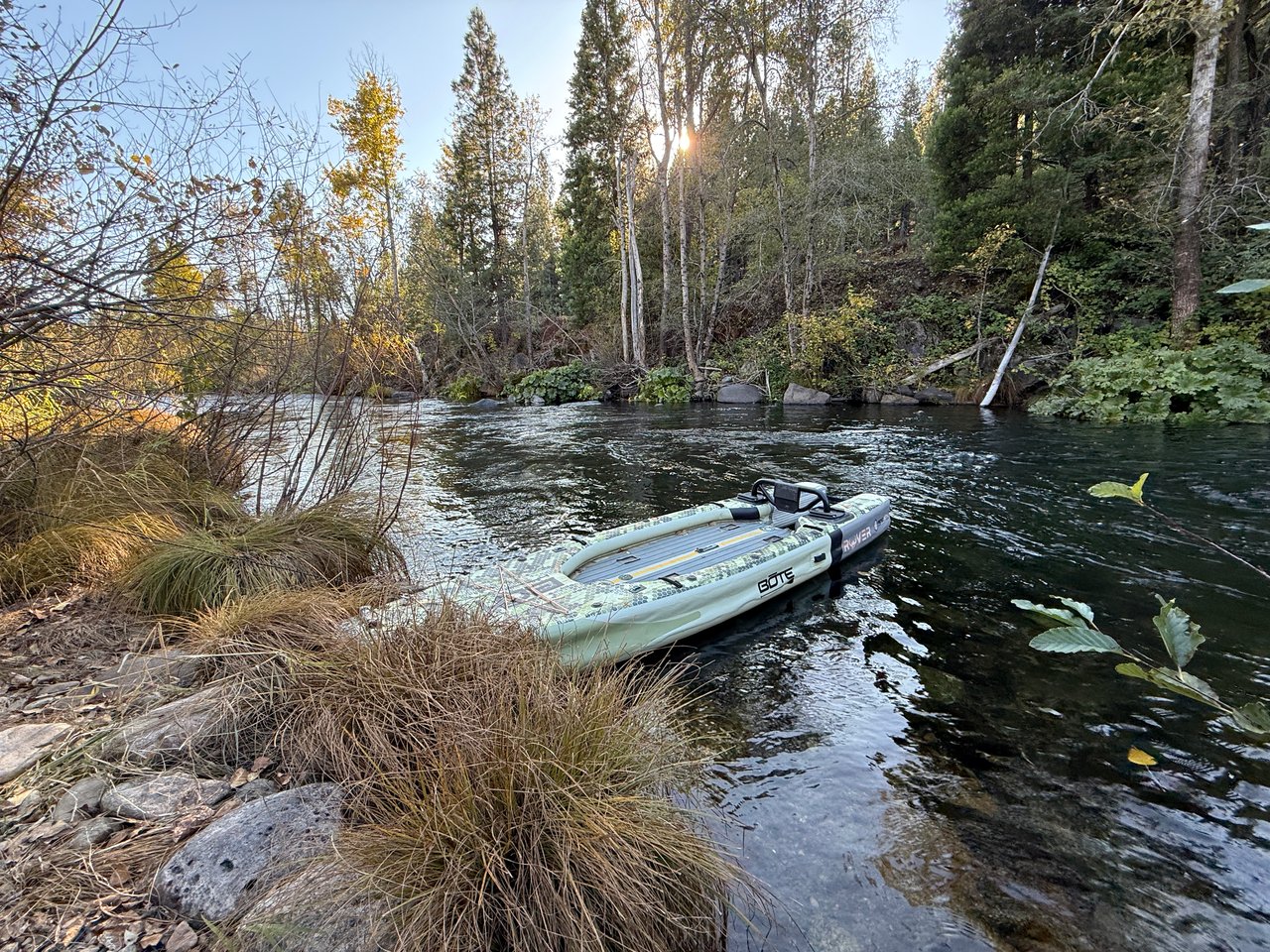
Dunsmuir offers small-town charm on the Sacramento River with easy Interstate 5 access. You get a walkable downtown, historic character, and access to rail travel on the Coast Starlight via the local Amtrak stop. If you love fishing, rafting, or scenic river walks, you will feel at home here. For regional trips, I‑5 connects you to nearby hubs while Dunsmuir keeps your day-to-day pace simple and close-knit.
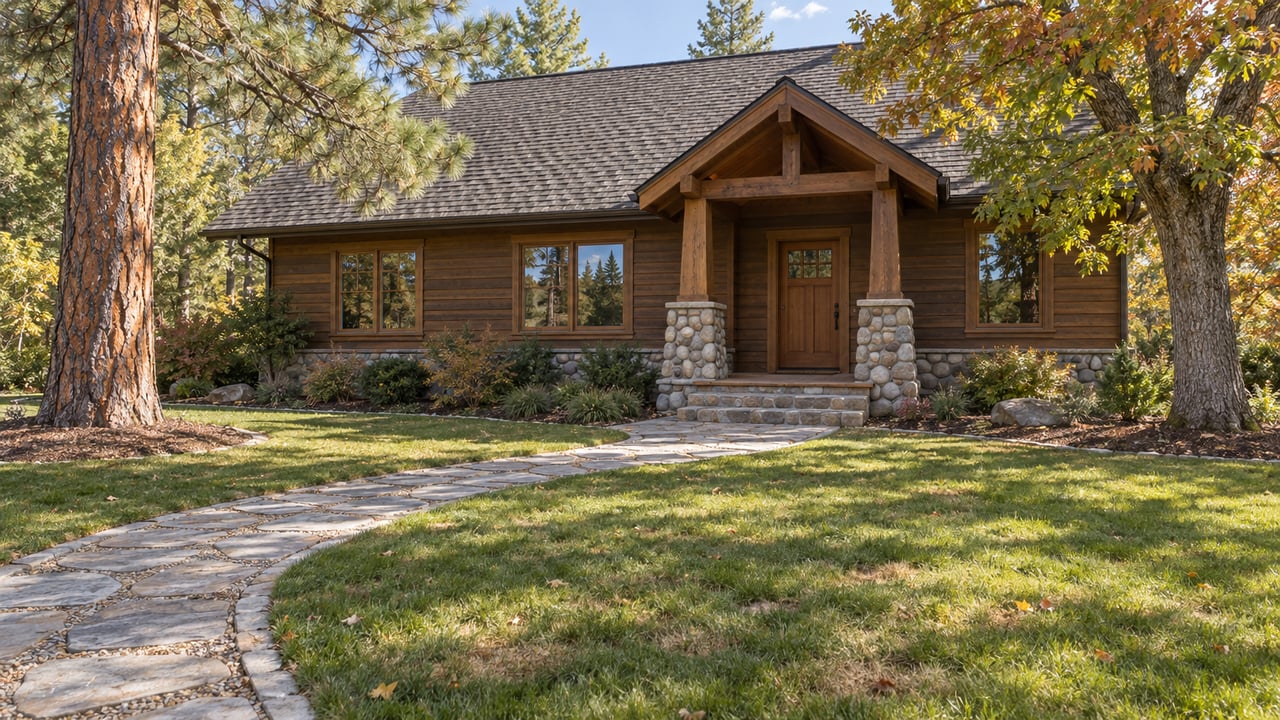
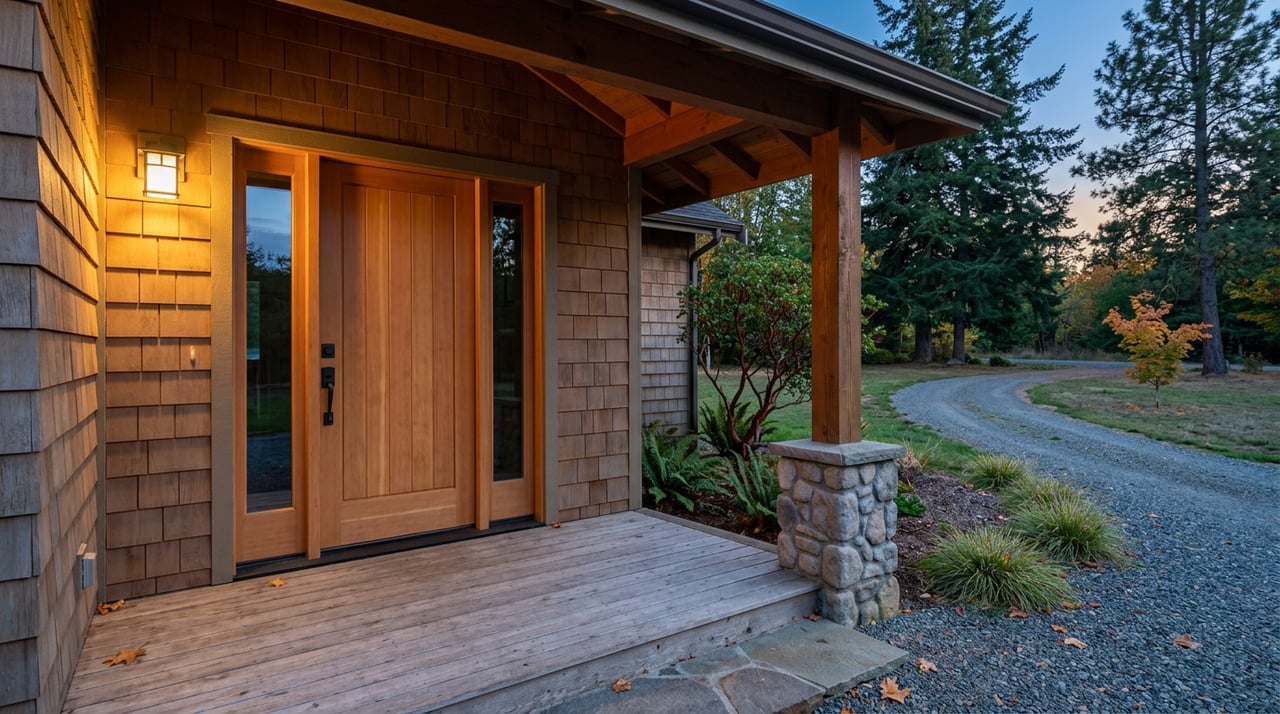
You will see a mix of housing types. Many buyers start with smaller historic cottages and bungalows near downtown. There are also single-family homes on compact lots, fixers at approachable entry points, and rural parcels outside city limits with well and septic. Riverfront or river-adjacent homes carry strong lifestyle appeal and can command higher prices.
What you will find on the market
Siskiyou County towns often run below big California metro price points, but condition, location, and renovation level matter. Maintained cottages and river-proximate homes can trade at a premium, while some fixers create sweat-equity opportunities. Inventory is variable in small towns, so the right place might take time to find, and great listings can move quickly.
- Expect variety in days on market. Renovated river cottages may move fast, while unique parcels or heavy fixers can sit longer.
- Watch local signals such as active listings, new listings, and recent sales when you are ready to write offers.
River-adjacent streets: beauty and due diligence
Living near the Sacramento River offers scenery and recreation. It also calls for extra checks. Some parcels fall within FEMA flood zones that can impact insurance and financing. Start with a quick map review using the FEMA Flood Map Service Center and ask sellers for any Elevation Certificate and flood claim history.
Key questions for river-proximate homes:
- What is the exact FEMA flood zone? Do you have an Elevation Certificate?
- Any history of flooding, water intrusion, or mold? Any insurance claims?
- Are electrical panels and mechanicals elevated? Are there sump pumps?
- Are there riparian easements or riverbank stabilization measures?
If a property lies in a Special Flood Hazard Area, most lenders will require flood insurance. Even outside mapped zones, proximity to water can influence premiums and maintenance planning.
Downtown cottages: character and care
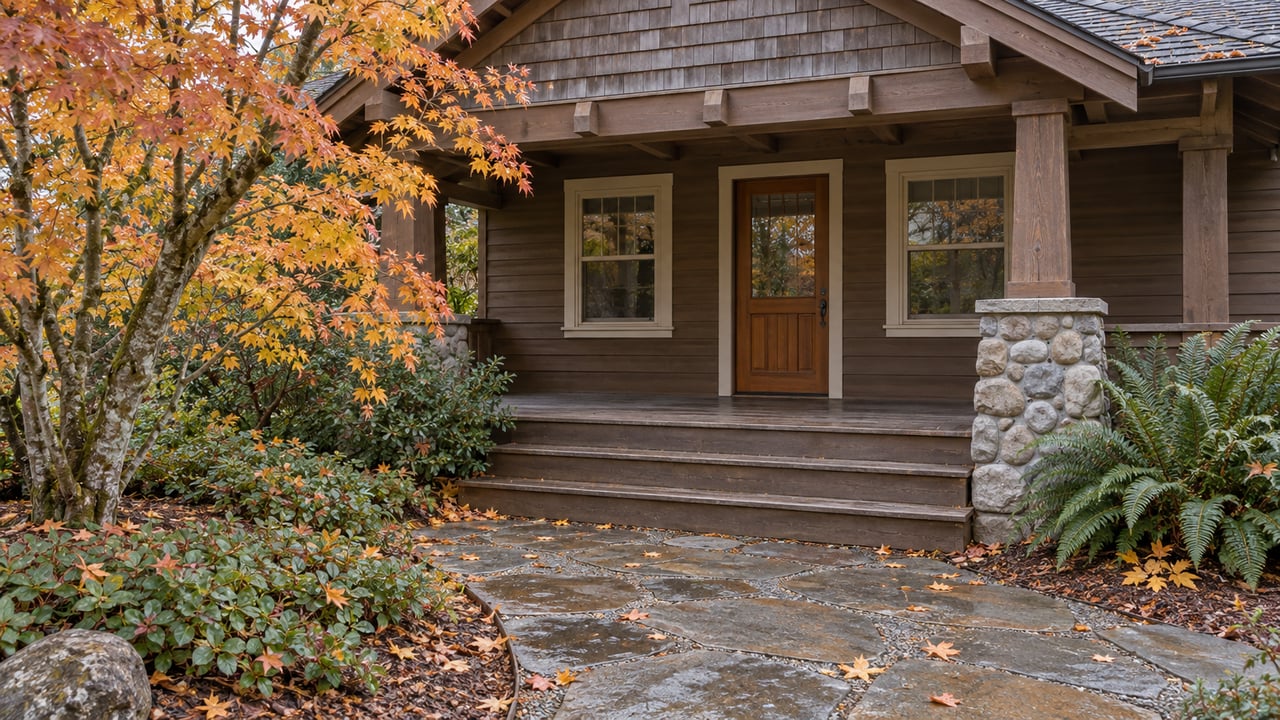
Dunsmuir’s downtown cottages are loved for charm and walkability. Many were built in the early to mid-1900s with wood-frame construction, covered porches, and mature trees. Older systems can drive the inspection plan. Look for outdated wiring, galvanized plumbing, older heat sources, and insulation gaps. Pre-1978 homes may include lead-based paint, and some older materials can contain asbestos.
A well-permitted renovation can boost comfort and value. Ask for permit history and contractor documentation through the city or county building departments. Small lots and central locations make these homes appealing to first-time buyers who want easy access to cafés, shops, and the Amtrak Coast Starlight stop.
Build your budget and loan strategy
The right loan can make a big difference in Dunsmuir. Consider these common options and confirm details with your lender:
- FHA loans. Low down payment, flexible credit standards, and upfront and annual insurance. Learn more from HUD’s FHA resources.
- Conventional loans. Strong rates with higher down payments. Can pair with some down-payment assistance programs.
- USDA Rural Development. Often 0 percent down for eligible areas. Some properties near Dunsmuir may qualify. Check the USDA Rural Development eligibility maps.
- VA loans. 0 percent down for eligible service members and veterans.
- State assistance. The California Housing Finance Agency offers down-payment and closing cost assistance for eligible borrowers. Review current programs at CalHFA.
Insurance affects affordability. Flood insurance, wildfire coverage, and insurer availability can change your monthly costs. Review wildfire hazard context using CAL FIRE’s Wildfire Hazard Severity Zone maps, and discuss options with your insurance agent early in the process.
Your step-by-step roadmap
Use this simple path to stay on track from search to keys in hand.
- Get preapproved and set your budget
- Share your financials with a lender, discuss loan types, and model total monthly costs including taxes, insurance, and any flood or wildfire premiums.
- Define your must-haves
- Rank what matters most: walkable downtown, river access, yard size, workshop space, or move-in readiness.
- Start your search with hazard context
- As you shortlist homes, run a quick FEMA flood map check and review wildfire hazard mapping so you understand risk and potential insurance needs.
- Tour with a Dunsmuir-specific checklist
- For older cottages, look at electrical panels, plumbing, heating, roof, foundation, and signs of moisture. For river-adjacent homes, ask about flood history, elevation, and mitigation.
- Make a strong, clear offer
- Lean on local comps and current inventory signals. Earnest money is customary and negotiable. In California, standard contingencies protect you while you verify the home’s condition and financing.
- Navigate inspections and contingencies
- Typical windows often follow California Association of REALTORS guidance, such as 7 to 10 days for inspections and around 17 to 21 days for loan approval, though everything is negotiable. Review best practices with resources from the California Association of REALTORS.
- Appraisal and loan approval
- Appraisers in small markets may use comps across a wider area, especially for unique properties. Be prepared to discuss valuation if the appraisal comes in low.
- Escrow and closing
- California uses title or escrow companies to manage funds and documents. Cash deals can close in 7 to 14 days, while most financed purchases close in about 30 to 45 days, depending on appraisal timing and underwriting.
Dunsmuir inspection essentials
Plan for a strong inspection set so there are no surprises after closing.
- General home inspection for structure, roof, and mechanical systems.
- Pest and wood-destroying organism inspection, important for older wood-frame homes.
- Sewer scope, especially for older plumbing or if backups are reported.
- Mold and moisture assessment if there is a history of dampness or a river-proximate location.
- Wildfire risk review for homes with surrounding vegetation, including defensible space.
- For river properties, obtain elevation information and consider a specialist opinion if the parcel shows high flood exposure.
Riverfront and rural property checklists
Use these focused lists during tours and escrow.
Riverfront or river-adjacent homes
- FEMA flood zone, Elevation Certificate, and any flood claims history.
- Flood insurance quote and coverage details.
- Riverbank condition, erosion patterns, and any riparian easements.
- Location of mechanicals and electrical panels relative to potential water levels.
- History of sump pump use, drainage upgrades, or floodproofing.
Rural parcels outside city limits
- Water source and quality testing for private wells.
- Septic system age, permits, and pumping records.
- Access, easements, and winter maintenance considerations.
- Outbuildings, multiple parcels, or unique features that may affect lending and appraisal.
Costs to expect beyond the down payment
Budget for these common expenses so your first month in the home is stress-free.
- Closing costs such as lender fees, title and escrow, and recording.
- Inspections and appraisal.
- Home, flood if applicable, and wildfire coverage.
- Immediate maintenance or safety upgrades, such as electrical fixes or roof repairs.
- Utility deposits and any permit fees for planned work.
Living in Dunsmuir: daily life and access
Dunsmuir offers a slow-paced, outdoors-forward lifestyle with a walkable main street and scenic river setting. You have direct access to I‑5 for regional travel and a local stop on the Coast Starlight for rail trips on Amtrak. Local services are limited by town size, and many residents use nearby communities for larger shopping or medical needs. For a high-level snapshot of regional context, you can review county-level data through U.S. Census QuickFacts.
How a local guide makes the difference
Buying in a small mountain town is personal and practical. You need the right eyes on the property, the right questions in escrow, and the right plan for insurance and financing. With 24+ years in Siskiyou County, 580+ closed transactions, and $141M+ in career volume, I help you see both the character homes you will love and the risk items you should address before closing. My vendor network and step-by-step approach keep your first purchase calm, informed, and on time.
Ready to explore homes in Dunsmuir or map your financing options? Reach out to Krista Cartwright for a friendly, local game plan that fits your goals.
FAQs
What should first-time buyers know about Dunsmuir’s market pace?
- Inventory is variable in small towns, so great listings can move quickly while unique or fixer properties may take longer to sell.
Do I need flood insurance for a home near the Sacramento River?
- If the property is in a FEMA Special Flood Hazard Area, most lenders require flood insurance, so check the FEMA flood maps and request an Elevation Certificate.
How long does a financed purchase usually take in Dunsmuir?
- Most financed purchases close in about 30 to 45 days, while cash purchases may close in 7 to 14 days depending on title and escrow timing.
Which low down payment loans work well for first-time buyers?
What inspections are most important for Dunsmuir’s older cottages?
- Plan on a general home inspection, pest inspection, and often a sewer scope, plus moisture and mold checks if there is any sign of dampness.
Where can I learn about wildfire context for a property?
What do standard contingencies look like in California?