Living in Dunsmuir California: Rail Town Charm & River Life
March 5, 2026
March 5, 2026
Hear the soft rush of the Upper Sacramento River, a distant train whistle, and the hum of a small, historic main street. If that sounds like your kind of day, Dunsmuir might be on your short list. You want a place that keeps life simple, puts water and trails close by, and still lets you get on the highway or a train when you need to. In this guide, you’ll learn how Dunsmuir lives day to day, what the river lifestyle really looks like, and what to know before you buy. Let’s dive in.
Dunsmuir is a small city in a narrow canyon along the Upper Sacramento River. Within about 1.6 square miles, the 2020 population was 1,707, set at roughly 2,300 feet in elevation. The town is bisected by Interstate 5 and the Union Pacific mainline, which shapes both the rhythm and the views. You get forested hillsides, river sounds, and a walkable historic core a few blocks long.
For basic orientation and quick facts, start with a simple overview of the town’s setting and services on the Dunsmuir page at Wikipedia.
Dunsmuir grew up as a railroad service town in the 1880s, and that story is still easy to find. The Dunsmuir Historic Commercial District holds early 20th century brick and concrete storefronts and is listed on the National Register of Historic Places. You can learn more about the district’s architecture and significance from the NoeHill historic listing.
Trains remain part of daily life. The historic depot is maintained by local volunteers, and the Amtrak Coast Starlight stops in Dunsmuir each day. If you are a rail fan or just curious about the town’s rail identity, the Dunsmuir Railroad Depot Museum is a helpful local touchpoint.
Downtown is compact and easy to navigate on foot. You will find cafés, a brewpub, a bakery, a hardware store, and artisan shops, plus a seasonal farmers market. To get a feel for the mix of small businesses, browse the local listings on Visit Dunsmuir.
Community events give the year a friendly rhythm. Favorites include Dogwood Daze in spring, Railroad Days in early summer, and the River & Rail Brewfest, along with monthly Second Saturday arts activity. Check dates and details on the Dunsmuir Chamber events calendar.
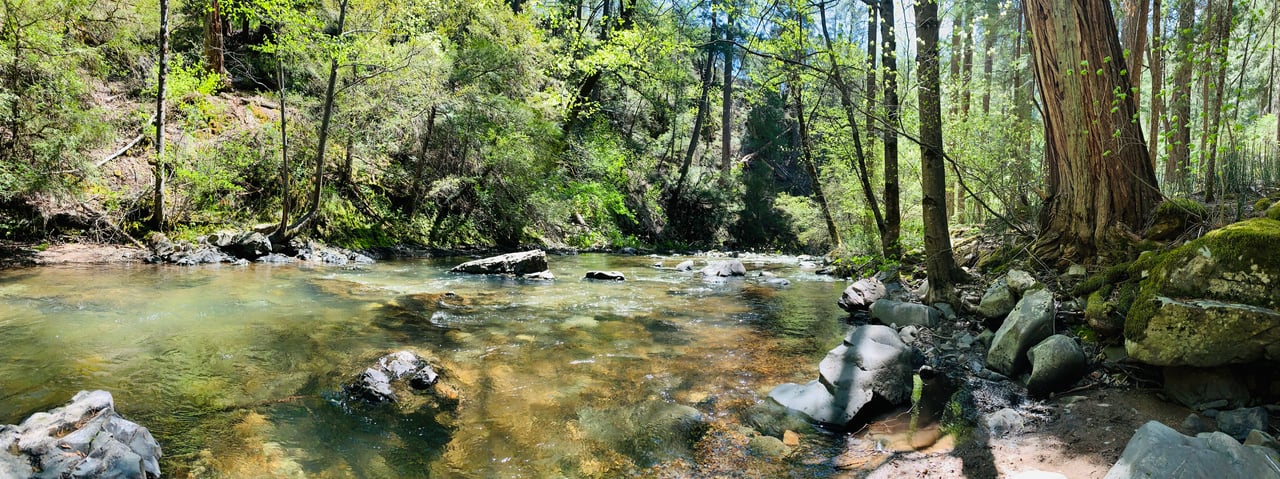
The Upper Sacramento River is central to life here. It is widely regarded as a blue-ribbon trout fishery with year-round angling and an active local fly fishing culture. For recreation notes and access ideas, start with the Shasta-Trinity National Forest’s Upper Sacramento page.
The river’s stewardship story also matters. In 1991, a major rail spill at Cantara Loop damaged the fishery. Restoration programs followed, and the river has largely recovered into a destination trout stream. You can read a concise summary on the California Department of Fish and Wildlife’s Cantara Loop overview.
You will also find quiet riverside spaces in town. Tauhindauli Park and Trail has been the focus of river-edge restoration and levee work and is a favorite for short walks and picnics. Learn more about the project and park access at Tauhindauli Park.
Dunsmuir offers quick access to scenic stops. Hedge Creek Falls sits just off I-5 with a short, family-friendly walk to a photogenic cascade. Mossbrae Falls north of town is a high-attraction spot, and the city is working on safer public access solutions. For an easy waterfall outing right now, start with Hedge Creek Falls via local visitor guides like Discover Siskiyou’s trail overview.
For current event dates, check the Dunsmuir Chamber events list.
Interstate 5 runs right through Dunsmuir, which makes regional trips easy. Mount Shasta is roughly 10 to 15 minutes north by car, and Redding is about 50 to 60 minutes south, depending on traffic and weather. The Amtrak Coast Starlight offers a daily stop at Dunsmuir’s historic depot, which is convenient for occasional intercity travel. The town also has a small municipal airstrip for general aviation noted in the Wikipedia overview.
Housing in Dunsmuir reflects its rail era roots and river setting. In the core near Main Street, you will see small early-20th century cottages and bungalows on narrow lots, often with vintage details. There are also modest mid-century homes scattered through town. On the edges, you may find larger hillside parcels and a handful of riverfront homes where privacy and water access carry a premium. For a feel of the historic architecture downtown, skim the NoeHill summary of the Historic Commercial District.
Dunsmuir is a small market, which means inventory often sits in the tens of listings and numbers can shift quickly from one report to another. Recent snapshots have ranged from the low-to-mid $200,000s to the low-to-mid $300,000s, with riverfront or acreage properties in higher bands. Expect some variance month to month because a few new listings or sales can move the median.
If you are tracking prices, look at multiple recent data points and focus on property type and condition rather than a single headline number. An on-the-ground review with a local agent can clarify which homes and streets fit your budget and lifestyle.
Every mountain town has a few practical checks. In Dunsmuir, start with these:
Choose Dunsmuir if you want a simple, walkable base with the river at your side and Mount Shasta playtime close by. You will trade big-city convenience for a tight-knit main street, easy trail access, and a calendar that revolves around seasons and community events. If that sounds like your pace, it could be a great fit.
If you are ready to explore homes, lean on a local guide who knows the streets, the river, and the tradeoffs by block. With 16 plus years in Siskiyou County, realtor® Krista Cartwright can help you narrow your search and move with confidence. Schedule a Free Local Market Consultation and start planning your next steps.
Stay up to date on the latest real estate trends.
More than buying and selling, partnering with Krista means having a trusted advocate who puts your needs and goals first.