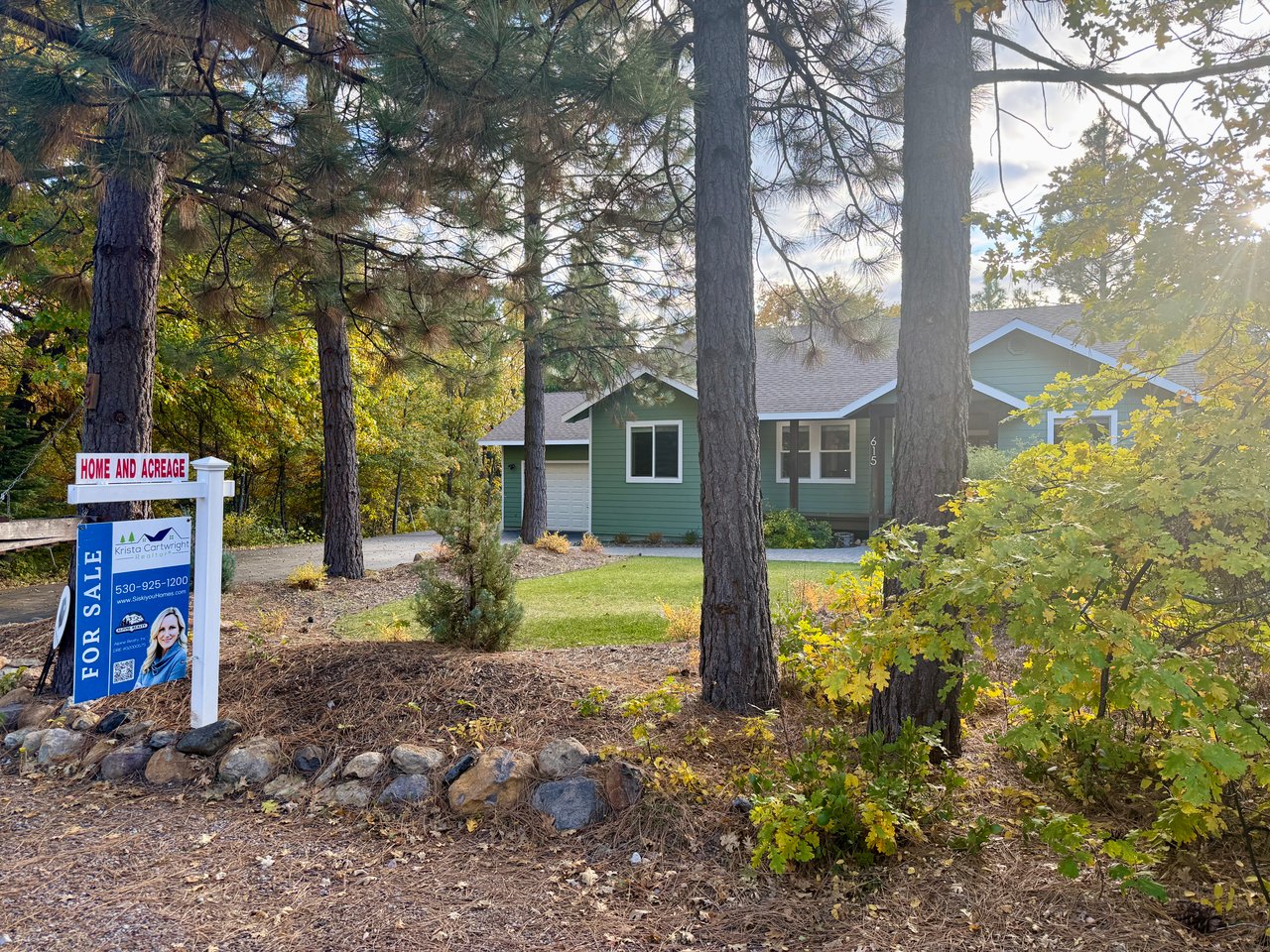
Cost of Living in Mount Shasta: Housing & Daily Life
December 18, 2025
December 18, 2025
Thinking about trading city traffic for fresh mountain air at the base of Mount Shasta? The cost of living here looks a little different than in bigger markets, and understanding those differences helps you budget with confidence. You want clarity on housing, utilities, everyday expenses, and the seasonal rhythms that shape life in a small mountain town. This guide breaks down what to expect in Mount Shasta and offers practical budgeting tips you can use right away. Let’s dive in.
Housing is your biggest variable. Mount Shasta is a small mountain city, so inventory can be limited and prices can move seasonally as second‑home demand ebbs and flows. You’ll find a mix of in‑town single‑family homes, cozy cabins, manufactured homes, and vacant lots for building.
Prices vary by several factors:
If you want the most current price bands for entry level, mid‑market, and higher‑end properties, ask for recent local sales and on‑market snapshots. Small markets change fast, and the most accurate numbers come from a local MLS pull and recent closings.
Your payment is more than principal and interest. Budget for:
Mount Shasta’s seasonal rhythm can affect both selection and pricing. In peak seasons, second‑home interest can tighten supply and push prices within certain segments. Working with a local agent helps you time the market and understand sub‑neighborhood nuances.
California’s base property tax is about 1% of assessed value, plus voter‑approved local assessments. Under Proposition 13, assessed value can generally rise only modestly each year until a property sells, which is why long‑time owners often have lower tax bills than recent buyers. Your effective rate depends on the parcel and special districts. Ask for a tax estimate based on the specific property you’re considering.
Northern California mountain and forested areas often see higher homeowners insurance premiums and tighter coverage due to wildfire risk. Some properties may require mitigation efforts for better insurability, such as defensible space, ember‑resistant vents, and clearing vegetation. You may encounter higher deductibles or more limited carrier choices in certain zones. Build an insurance quote into your offer planning so you understand the full cost before you close.
Beyond taxes and insurance, plan for:
Mount Shasta’s long‑term rental market is smaller and can offer fewer choices than large cities. Short‑term rentals see demand in a mountain town like this, and local rules may limit permits or require specific compliance steps. If you’re exploring an investment or second‑home with rental plans, factor in:
A clear plan for property management and local regulations will help you forecast realistic returns.
Utilities can differ from home to home, especially outside the city grid. Confirm services for each address early in your search.
In this climate, winter heating is a major line item. Common setups include:
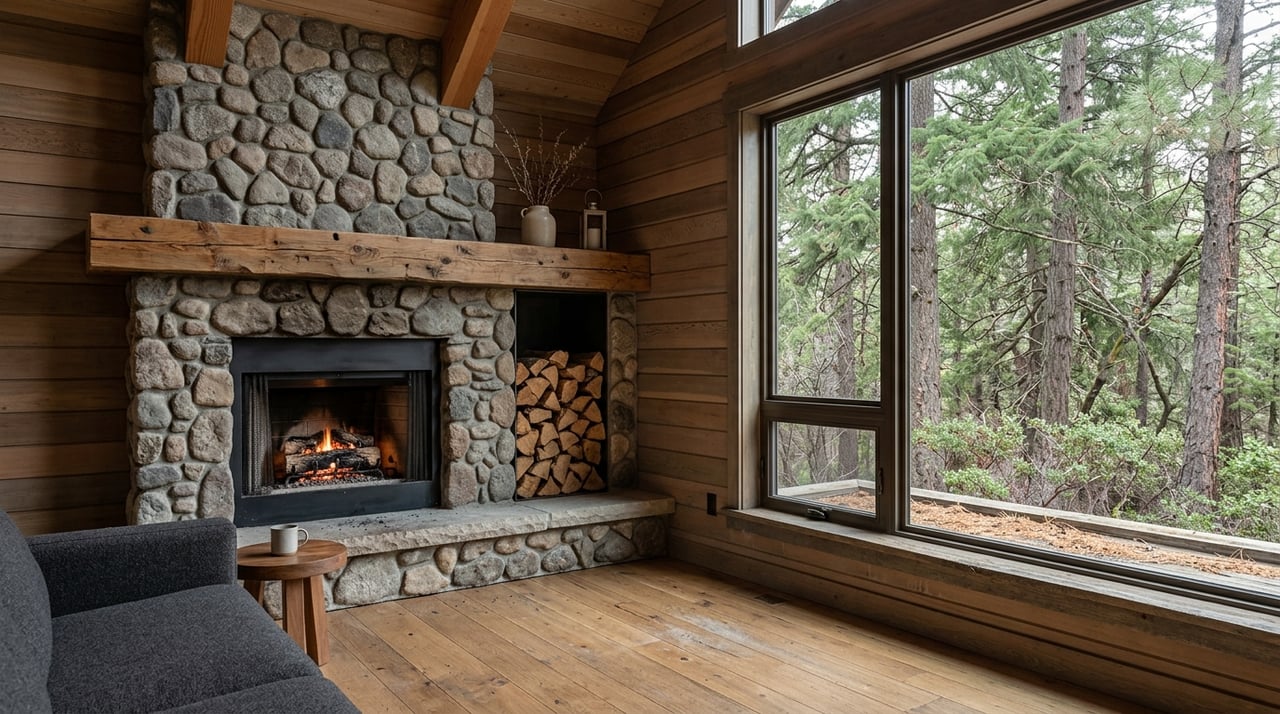
Each option carries different seasonal costs and maintenance needs. Electric heat depends on your rate plan and insulation quality. Propane prices can fluctuate and may involve tank rental or monitoring fees. Wood heat can be cost‑effective if you source wood locally, but it requires labor, cleanup, and adherence to emissions and burn rules. Ask sellers for 12 months of utility history to estimate your winter budget.
In‑town homes often connect to city water and sewer, with monthly service fees and usage tiers. Rural or edge‑of‑town properties might rely on private wells and septic systems. Plan for:
Expect standard monthly trash and recycling charges. In winter, private snow‑plow service for longer driveways can be a recurring cost, especially after heavy storms. Some owners DIY with a snowblower or tractor, while others contract seasonal plowing.
Connectivity ranges from in‑town DSL or limited fiber and cable corridors to fixed wireless or satellite options for rural properties. Cell coverage can be spotty on certain slopes and valleys. Before you write an offer, verify internet providers and speeds at the address and check your carrier’s coverage map for your day‑to‑day needs.
With fewer large grocery options than a metro area, some items may cost a bit more due to transport and lower volume. Many residents make periodic stock‑up trips to larger hubs, which adds fuel and time but can offset prices on bulk items.
Mount Shasta is a drive‑oriented lifestyle. Winter tires or chains, regular maintenance, and fuel for regional errands will figure into your budget. Commuters often travel to nearby hubs for work or services. Longer drives for specialty medical care or big‑box retail are occasional but impactful costs to plan ahead for.
You’ll find local clinics and urgent care options in the area. For major hospital services and specialty care, many residents go to larger centers in Redding or Medford. During wildfire season or winter storms, factor in contingency planning for travel, rescheduling, or temporary lodging if needed.
Public school options are offered by smaller local districts. Childcare availability may be limited, which can influence cost and scheduling. If childcare is essential to your move, start research early and budget for waitlists or alternate care arrangements.
Outdoor recreation is a highlight here. Hiking, skiing, climbing, fishing, and rafting are widely accessible, and many activities are low cost. Still, lift tickets, guides, permits, and gear can add up. Dining out feels like a small‑town scene with seasonal fluctuations in hours and menu availability.
Plan for winter and wildfire. In heavier winters, you may see higher heating bills, more frequent plowing, and roof or deck maintenance for snow load. In drier months, wildfire awareness is part of life. Defensible space work, gutter cleaning, and screening vents against embers are common preparations. Seasonal tourism can also raise demand for lodging and services in summer.
It helps to compare Mount Shasta to regional centers you may visit for services:
The tradeoff many people choose is quieter living and potentially lower purchase prices compared with metro areas, balanced against longer drives for specialized care, bigger retail, or flights.
Use this framework to estimate your monthly and annual costs. Adjust the ranges with actual quotes, utility histories, and vendor bids for the specific property you choose.
One‑time or annual items:
Recurring monthly items:
Short‑term rental owners:
Cost of living in Mount Shasta is manageable when you understand the mountain town variables. With 24+ years in Siskiyou County and a track record of 580+ closed transactions and $141M+ in career volume, I help you map real numbers to real properties and make smart, confident decisions. For current price bands, insurance and utility insights by neighborhood, and a tailored budget for the homes you love, reach out to Krista Cartwright.
Stay up to date on the latest real estate trends.
More than buying and selling, partnering with Krista means having a trusted advocate who puts your needs and goals first.