Wondering why one Mount Shasta street melts out fast after a storm while another stays icy for days? If you are comparing homes from the city core to the lower flanks of the mountain, small changes in elevation, slope, and tree cover can reshape your daily life in winter. You want the right balance of sunshine, snowfall, and reliable access without surprises. This guide breaks down Mount Shasta’s microclimates, what they mean for winter living, and how to choose a neighborhood that fits your day-to-day. Let’s dive in.
How Mount Shasta microclimates work
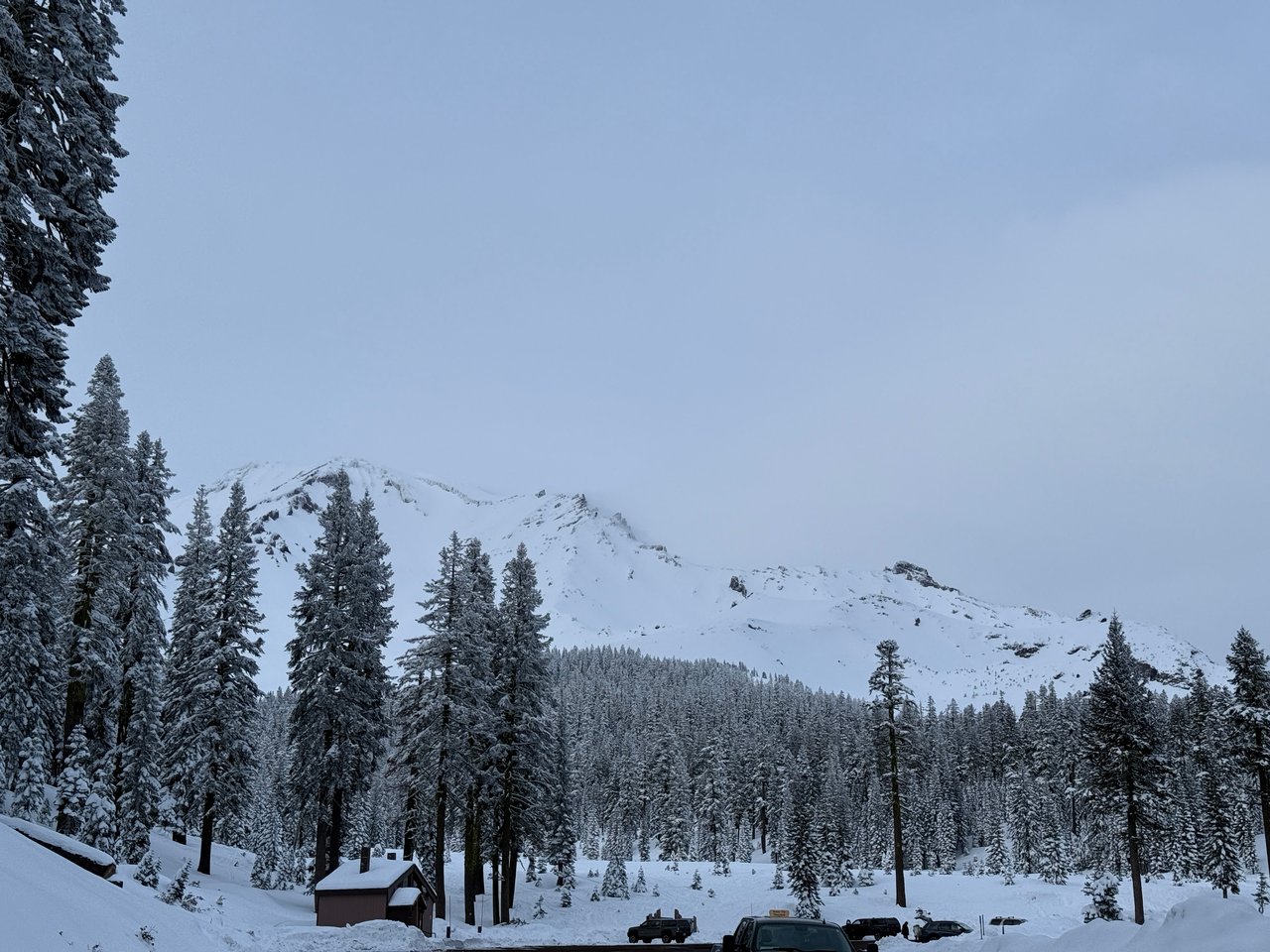
Mount Shasta rises quickly from the surrounding valleys, which means elevation and slope angle change within short distances. These shifts create distinct microclimates. Higher ground is colder and sees more frequent snow, while lower areas near the I-5 corridor tend to have easier winter access. Aspect matters too. South-facing slopes generally get more sun and quicker melt. North-facing slopes hold snow and ice longer.
Local variability is the norm. Even adjacent streets can behave differently because of tree cover, wind exposure, and subtle changes in slope. When you compare homes, always ground your decision in elevation and aspect, then layer in road maintenance and daily needs.
Neighborhood zones to compare
I-5 corridor and city core
- Lower-elevation, close to services and schools, with city-maintained streets.
- Prioritized plowing and sanding during storms helps with daily commutes.
- Snowfall still occurs, but melt and access are generally easier than higher slopes.
Foothill and hillside flanks
- Higher elevation with more frequent and heavier snow events.
- Winter winds are stronger in exposed spots, and shaded streets can stay icy.
- Sun exposure varies by slope. South-facing parcels warm and melt faster than north-facing ones.
Valley and west-side lowlands
- Areas trending toward the broader lowlands can see slightly milder winter patterns although large storms still bring snow.
- Open terrain may improve sun access and speed melt in clear weather.
Upper-mountain or remote subdivisions
- Substantially higher snowfall and colder nights.
- Roads may be private or unplowed part of the season.
- Best for buyers prepared for storm days, winter vehicles, and flexible access.
Sun exposure: what to look for
Sun is your best friend for winter comfort and melt. In Mount Shasta, south-facing properties usually clear faster after storms, while north-facing slopes and ravines remain shaded and icy.
- South-facing slopes: more direct winter sun, quicker daytime thaw, but expect freeze–thaw cycles that can produce slick mornings.
- North-facing slopes: colder and darker, longer-lasting snowpack, more roof and driveway management.
- Tree cover: evergreen canopy can reduce ground snow in spots, yet shaded patches melt slowly. Note which parts of a lot stay icy.
Tip: Visit candidate properties in the morning and late afternoon to see where shadows fall. Pay attention to driveway orientation and any tall conifers that shade entries and stairs.
Snow and elevation: small changes, big impact
Elevation drives both how often you see snow and how long it sticks around. A few hundred feet can change the snow line in a marginal storm. Expect higher neighborhoods to get deeper accumulations, slower melt, and colder nights. Proximity to the mountain and windward slopes can also enhance precipitation. Sheltered lee slopes may see less.
Because winters vary widely year to year, plan for a range. Some seasons bring frequent plow days at town level, while others lean rainy at lower elevations. Build your plan around resilience rather than a single season’s memory.
Winter access: roads, plows, and commute reliability
Access hinges on where you live and who maintains your road.
- City-maintained streets: prioritized plowing and sanding during storms. Generally the most reliable for daily routines.
- County and private roads: expect longer delays, variable service, or homeowner-managed plowing. Ask for the plan and budget.
- I-5 and state highways: during significant storms, chain or traction controls and temporary closures are common. Commute reliability varies with pass conditions and enforcement.
Before you buy, confirm road jurisdiction and the typical plow timeline after a storm. For private roads and long driveways, ask who schedules removal, who pays, and where snow is stored. If you rely on daily commuting, proximity to I-5 on city-plowed streets provides the most consistent access.
Home features that matter in snow country
Roof and structure
- Verify the home’s roof design meets local snow-load requirements under the California Building Code as adopted by the county.
- Review the permit history and any structural upgrades for snow load or storm damage.
- Look for a sound roof with appropriate pitch, snow guards where needed, and well-detailed skylights and penetrations to reduce ice-dam risk.
Driveways and parking
- Gentle grades are best. Long or steep driveways are costly and time-intensive to clear.
- Paved surfaces help plow efficiency. Plan snow storage so you do not block vehicles.
- Covered parking or a garage protects vehicles and gear and reduces morning prep time.
Systems and resilience
- Heating capacity and redundancy matter. Evaluate main heat, plus backup options like a wood stove, propane, or a generator with a transfer switch.
- For private wells, confirm insulation on exposed lines and freeze protection at the wellhead.
- Expect power interruptions during big storms. Ask for outage history and restoration timelines.
Trade-offs to consider
- Sun and exposure vs. snowfall: Lower, south-facing parcels mean faster melt and less shoveling. Higher, north-facing vantage points offer big views and proximity to recreation but add operational costs and ice management.
- Commute reliability vs. recreation access: City core and near-I-5 locations support daily reliability. Higher or remote pockets put trailheads and ski terrain closer but can be limited during storms.
- Service level vs. privacy: City plowing brings quicker access and more neighbors. Private roads bring quiet and responsibility for your snow plan.
A simple plan to choose your fit
Map the lot’s elevation and aspect. Identify whether the property is higher than town level and if it faces south or north. Even a small bump in elevation can change your winter routine.
Confirm road maintenance. Determine city, county, or private status, plus the plow schedule. Ask for historical closure days and how quickly your street is cleared after a typical storm.
Stress test the home’s winter setup. Review roof design and permits, inspect driveway slope, check heating redundancy, and ask for roof and gutter maintenance records.
Match your lifestyle priorities. If you commute daily, focus on town-core or near-I-5 streets. If you want big snow and trail proximity, plan for winter vehicles, chain use, and flexible schedules.
Buyer checklist for Mount Shasta winters
- Map parcel elevation and slope orientation relative to the mountain and town.
- Verify road jurisdiction and plow priority, including private road agreements.
- Request permit history, roof design documents, and any snow-related repair records.
- Ask for power outage history and road closure instances from sellers or HOAs.
- Inspect driveway grade, parking capacity, and snow storage options.
- Confirm heating capacity and backup heat, plus generator readiness.
- Plan vehicle needs such as AWD or 4WD and winter tires; understand chain requirements.
- Review current seasonal forecasts and local advisories as you approach closing.
Resources to consult as you compare homes
- National Weather Service for local forecasts and climate context.
- Caltrans for state highway and chain control updates.
- City of Mount Shasta and Siskiyou County Public Works for plow jurisdiction and maintenance.
- Siskiyou County Building and Planning for snow-load design values and permit records.
- Local utility provider for outage histories and winter preparedness.
- Mount Shasta Ski Park and the Mount Shasta Ranger District for mountain snow conditions.
Work with a local guide
Choosing between a sunny cul-de-sac in town and a snowier hillside with big views comes down to the details: elevation, aspect, and who plows your road. With 24+ years in Siskiyou County and 580+ successful transactions, you get a local partner who blends practical winter know-how with clear buying strategy. If you want a shortlist of neighborhoods that match your priorities, vendor referrals for inspections and snow services, and a plan to win the right home, let’s talk.
Ready to find your Mount Shasta fit? Reach out to Krista Cartwright for a friendly, local game plan.
FAQs
What makes Mount Shasta neighborhoods so different in winter?
- Elevation, slope orientation, wind exposure, and tree cover vary across short distances, which changes snowfall, melt rates, and how quickly roads and driveways clear.
How does south-facing vs. north-facing affect daily living?
- South-facing parcels get more winter sun and faster melt, while north-facing locations retain snow and ice longer and usually require more roof and driveway management.
Which areas usually have the most reliable winter access?
- City-maintained streets in the Mount Shasta core near I-5 tend to be plowed and sanded sooner than county or private roads, which often face delays or require owner-managed service.
What should I ask about a private road or long driveway?
- Confirm who pays for plowing, who schedules it, where snow is stored, typical time to clear after storms, and whether there have been multi-day access issues in past winters.
What home features reduce winter maintenance costs?
- A roof designed for local snow loads, gentle driveway grades, paved surfaces, snow guards where needed, reliable main heat plus backup heat, and generator readiness help manage winter conditions.
How do winter storms affect I-5 and commuting?
- During significant storms you can expect chain or traction controls, slowdowns, and occasional temporary closures, so plan commute timing and vehicle setup accordingly.