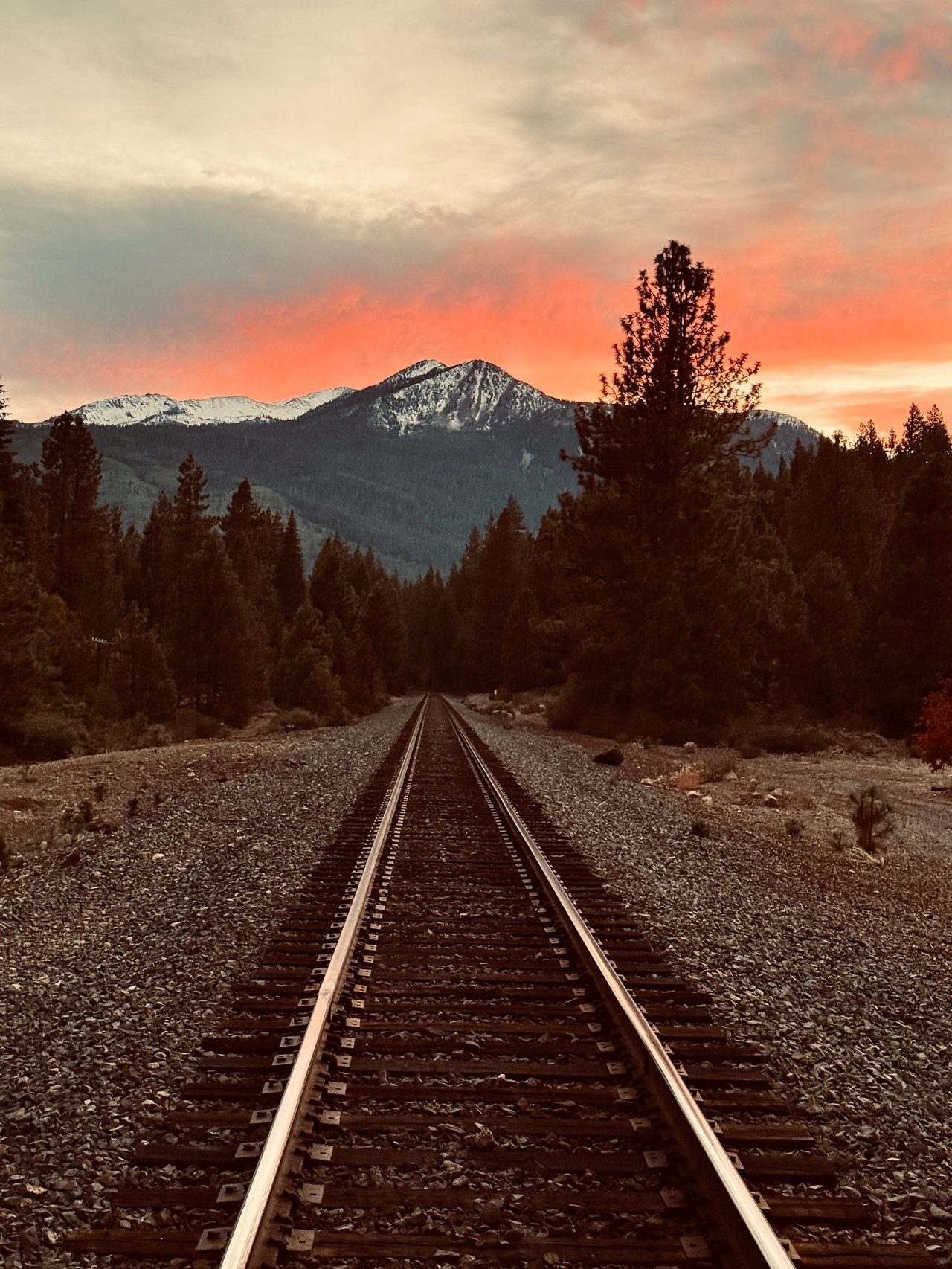
Key Mount Shasta Winter Home Features for Buyers
November 21, 2025
November 21, 2025
Love the snow but not the surprises? If you are shopping for a home in Mount Shasta, winter is part of the lifestyle. You want a place that stays warm, accessible, and low stress when storms hit. In this guide, you will learn which snow‑ready features matter most, what to check on tours, and how to verify details with local resources. Let’s dive in.
Mount Shasta sits in a true mountain environment with regular snowfall, freeze–thaw cycles, and occasional intense storms. That means added risk for heavy roof snow loads, ice dams, frozen pipes, and temporary road closures. Conditions can shift quickly across short distances. Higher elevations and north‑facing sites stay colder and hold snow longer than valley floors, so evaluate each property’s microclimate.
To understand storm timing and typical conditions, follow National Weather Service forecasts and safety guidance. For road access and closures on I‑5 and state routes, check Caltrans QuickMap before tours during winter weather.
A strong, well‑detailed roof is your first line of defense in a snowy climate. The goal is to support snow safely, control where it slides, and prevent water intrusion.
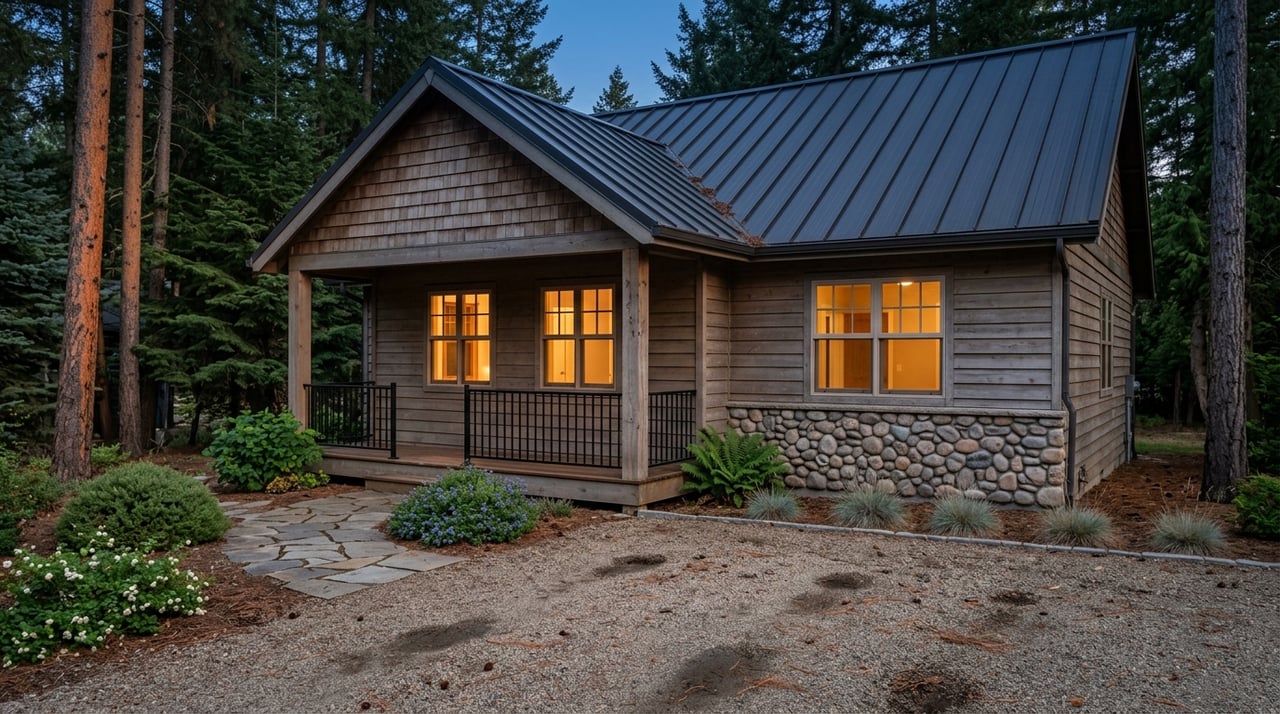
Steeper roof slopes shed snow more readily, while low‑slope roofs tend to hold snow and need careful waterproofing. Metal roofing, especially standing seam, can shed snow and offers durability. Asphalt shingles are common and work well when the structure is designed for local loads. Each option has tradeoffs in cost, noise during snow slide, and maintenance.
On steeper metal roofs, snow guards help control sliding snow to protect walkways, decks, and lower roof sections. Gutters should be robust with secure attachment that can handle ice weight. Where ice buildup is common, heat cables can help keep gutters and downspouts flowing.
Ice dams often start with warm air leaking into the attic. Proper attic ventilation and high‑quality underlayment help keep the roof deck cold and reduce ice‑dam risk. Look for continuous soffit and ridge venting or an equivalent system, plus well‑installed underlayment at eaves and valleys.
Ask for evidence that the roof structure was engineered for local snow loads. Design standards follow the California Building Code with snow‑load guidance from ASCE 7, adapted by local authorities. You can also confirm permit history with Siskiyou County Building & Planning.
Good insulation and air sealing keep heat inside, reduce energy costs, and help prevent ice dams.
Look for consistent insulation coverage across the attic. Gaps around lights, ducts, and chases are red flags for heat loss. The attic floor should be air‑sealed, and insulation should not be compressed or missing. Uniform coverage helps reduce ice‑dam formation.
Ventilation baffles at eaves preserve airflow and keep insulation from blocking soffit vents. Many homes use soffit and ridge vents to maintain a cold roof deck. For energy performance, California Title 24 standards apply. For general efficiency guidance, explore the U.S. Department of Energy’s Energy Saver resources.
Winter resilience depends on reliable heat and a plan for outages.
Cold‑climate heat pumps or well‑maintained gas or propane systems can perform well in Mount Shasta. Verify age, service records, and whether equipment is rated for colder conditions. Duct sealing and good airflow matter for comfort and efficiency.
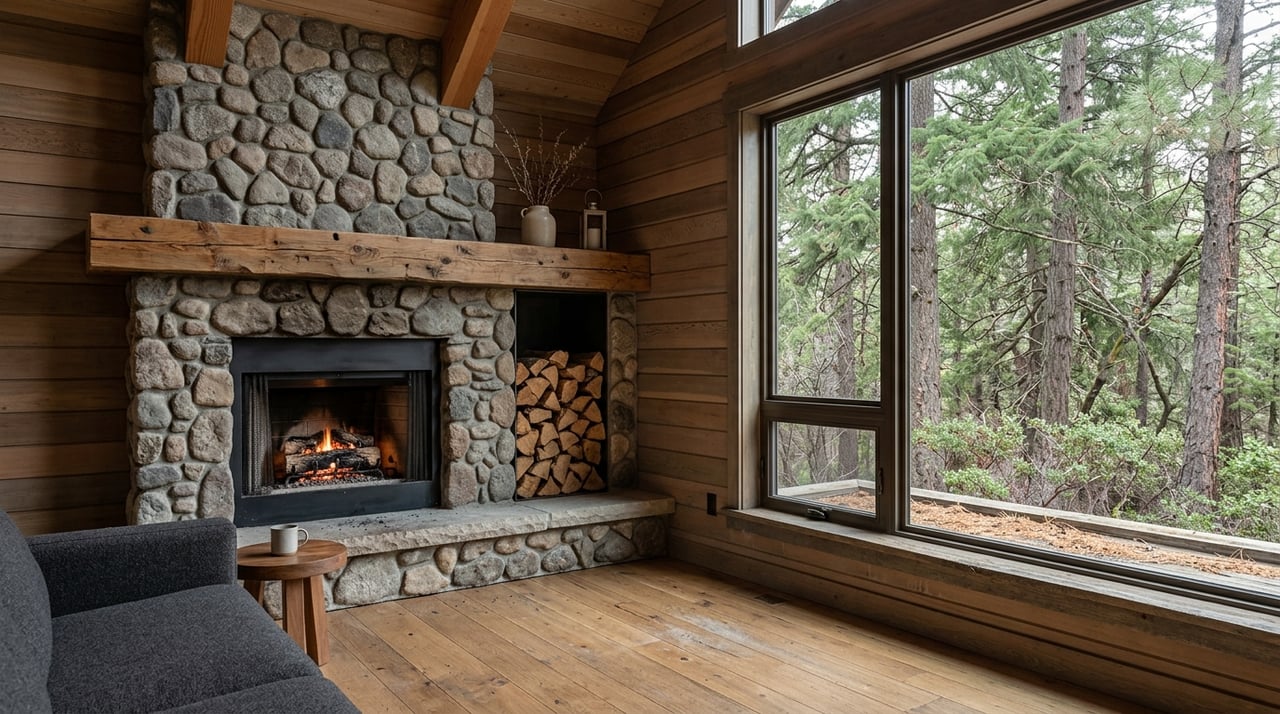
A permitted wood or pellet stove provides heat during outages. Check clearances, chimney condition, and local permits. Regular chimney cleaning is part of safe winter operation.
A generator with a transfer switch can keep essentials running when the power goes out. Ask where the generator would sit, what fuel it would use, and if there is a safe fuel storage plan. Home battery systems are another option that reduce noise and fuel dependence. Confirm electrical panel capacity for any backup system.
Frozen pipes can cause major damage. Simple protections go a long way.
Exposed or crawlspace piping should be insulated. Vulnerable lines may need heat trace. Interior placement of water lines and the water heater reduces exposure to cold.
Know the location of the main water shutoff. In areas with seasonal runoff or high groundwater, a sump pump with battery backup helps manage snowmelt. Check foundation drainage and signs of past moisture.
Being able to come and go during storms is essential. Site design can make the difference between easy access and stressful winters.
A gentle driveway grade with room to turn around is ideal. Very steep or narrow drives are harder to plow and can become unsafe when icy. Space for a plow truck to access and maneuver is a practical plus.
Asphalt, concrete, and pavers behave differently under freeze–thaw cycles. The key is a solid base and good drainage so water does not sit and refreeze. Plan space on your property to pile snow without blocking access.
Hydronic or electric snow‑melt systems reduce shoveling but add installation and operating costs. Many buyers choose a reliable private plow service instead. To learn about county road maintenance priorities, contact Siskiyou County Public Works.
Garages protect vehicles from snow and give you room for winter gear. Look for adequate height and depth for larger vehicles, insulated doors, and sealed thresholds. A sturdy shed rated for snow loads can store snowblowers, shovels, and fuel. Always follow fire‑safe storage rules.
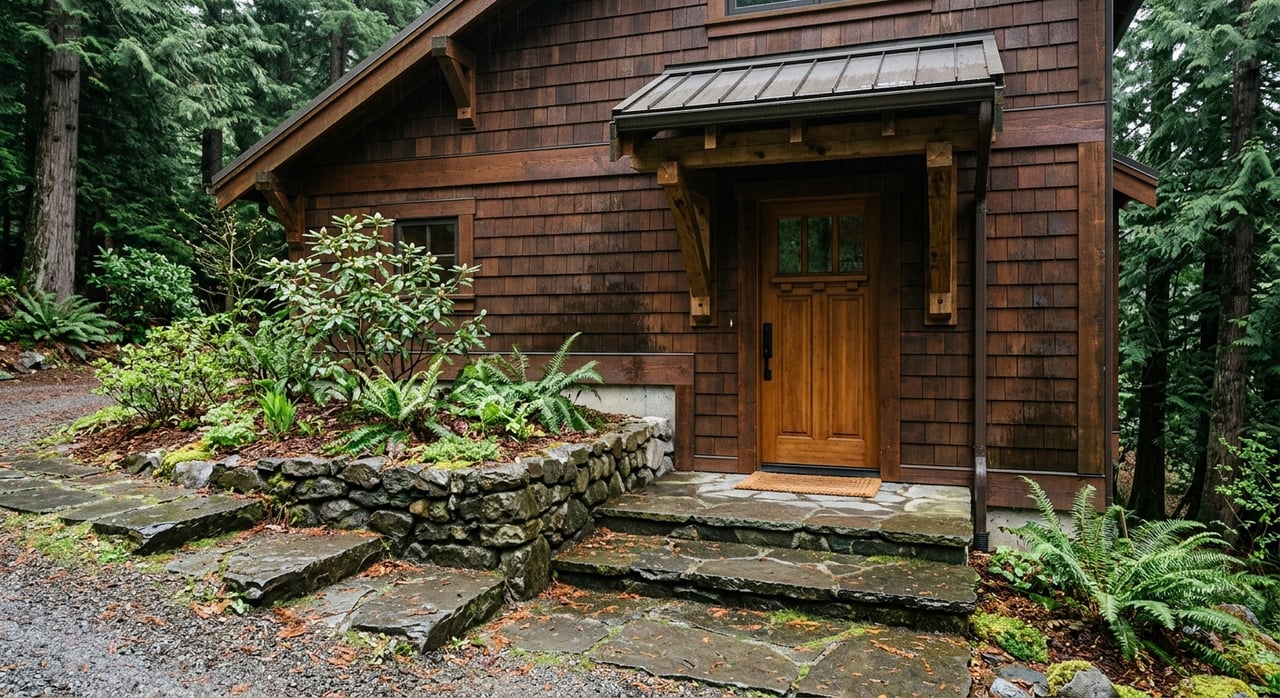
Heavy snow can bring down limbs and block access. Keep trees set back from the roofline and prune hazardous limbs. Proper grading directs snowmelt away from the foundation. Retaining walls and rock features should be built to handle freeze–thaw cycles.
Use this quick checklist to separate winter‑ready homes from high‑maintenance projects.
You can get most winter value from a few smart upgrades. Improved attic insulation and air sealing, pipe insulation, snow guards, and a plow plan offer big returns for modest cost. Higher‑end choices like metal roofing, heated driveways, or home batteries reduce maintenance and outage stress but require more budget.
Site selection is powerful. A home with a moderate driveway, good sun exposure, and fewer overhanging trees often needs fewer retrofits. Documented improvements, such as a newer roof designed for local snow loads or a permitted backup generator, can be strong selling points when you resell.
If Mount Shasta is calling, you deserve a home that fits the season, not just the view. With 24+ years living and working in Siskiyou County and 580+ successful transactions, I help you spot snow‑smart features, verify the right permits, and negotiate with confidence. When you are ready, reach out to Krista Cartwright to schedule your Free Local Market Consultation.
Stay up to date on the latest real estate trends.
More than buying and selling, partnering with Krista means having a trusted advocate who puts your needs and goals first.