Thinking about selling your Mount Shasta home and wondering where to start? In a mountain market like ours, the right prep can mean a stronger first impression, fewer surprises in escrow, and better offers. You want a clear plan that fits local conditions, from winter access to wildfire readiness. This guide gives you a practical, prioritized checklist tailored to Mount Shasta so you can list with confidence. Let’s dive in.
Mount Shasta market realities
Mount Shasta is a small mountain market with diverse homes and buyers. You see everything from in-town cottages to cabins, log homes, and acreage with private wells and septic systems. Buyer interest often rises in spring and summer when access and curb appeal improve.
Common questions from buyers here include wildfire risk and defensible space, water quality, septic function, heating systems, and winter accessibility. When you prepare for these topics up front, you position your home to stand out.
Start with safety and required disclosures
In California, sellers must complete key disclosures, which help buyers make informed decisions. Review the Transfer Disclosure Statement and Natural Hazard Disclosure requirements with your agent. The California Department of Real Estate provides helpful guidance on seller disclosures, including hazard zones and condition reports. You can explore the DRE’s overview in the California Disclosures in Real Property Transactions booklet on the California Department of Real Estate site.
Tackle basic safety and compliance before listing:
- Test and install smoke and carbon monoxide detectors as required.
- Confirm water heater seismic strapping and check for gas appliance safety.
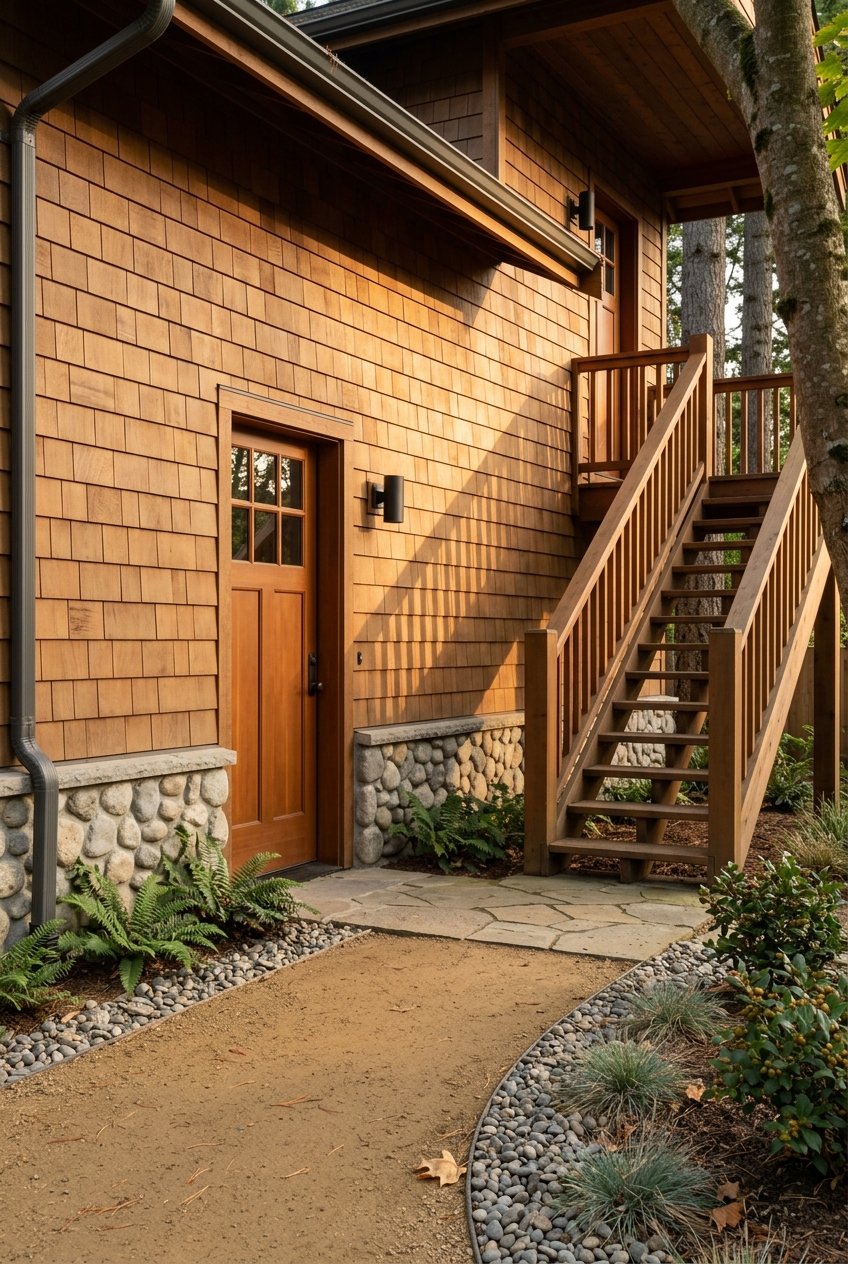
- Repair loose railings, deck issues, and other obvious hazards.
These items are simple to address and can prevent delays, lender flags, or re-negotiations later.
Major systems that shape your price
Focus next on the systems that matter most to buyers and lenders:
- Roof and gutters. Check for leaks, missing shingles, and ice damage. Clean gutters and ensure downspouts direct water away from the foundation.
- Heating and chimneys. Service your furnace, pellet stove, or woodstove. Clean flues and keep receipts.
- Electrical and foundation. Correct visible hazards like exposed wiring and inspect crawlspaces for moisture or pest issues.
- Septic and well. Assemble records and consider pre-listing inspections if systems are older or performance is uncertain.
- Buyers often ask for recent water tests and septic pumping or inspection. Having this documentation ready supports your price and builds trust.
Wildfire and flood readiness buyers expect
Many buyers will ask about defensible space, materials around the home, and hazard designations. You can verify hazard zones and learn best practices for mitigation.
Visible fire mitigation and flood-zone clarity can reduce insurance concerns and help buyers move forward with confidence.
Winter-to-spring cleanup checklist
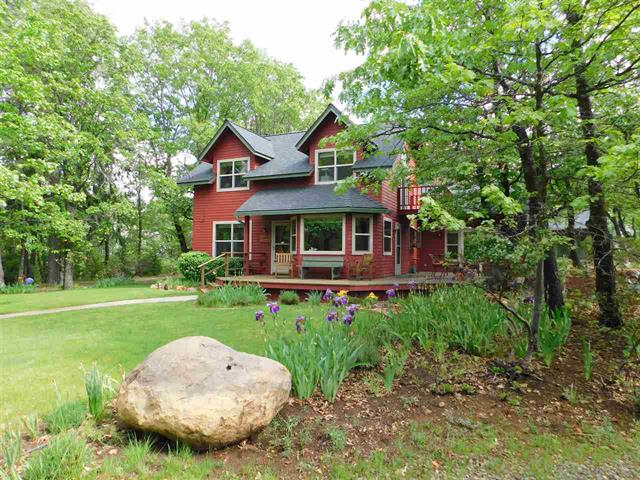
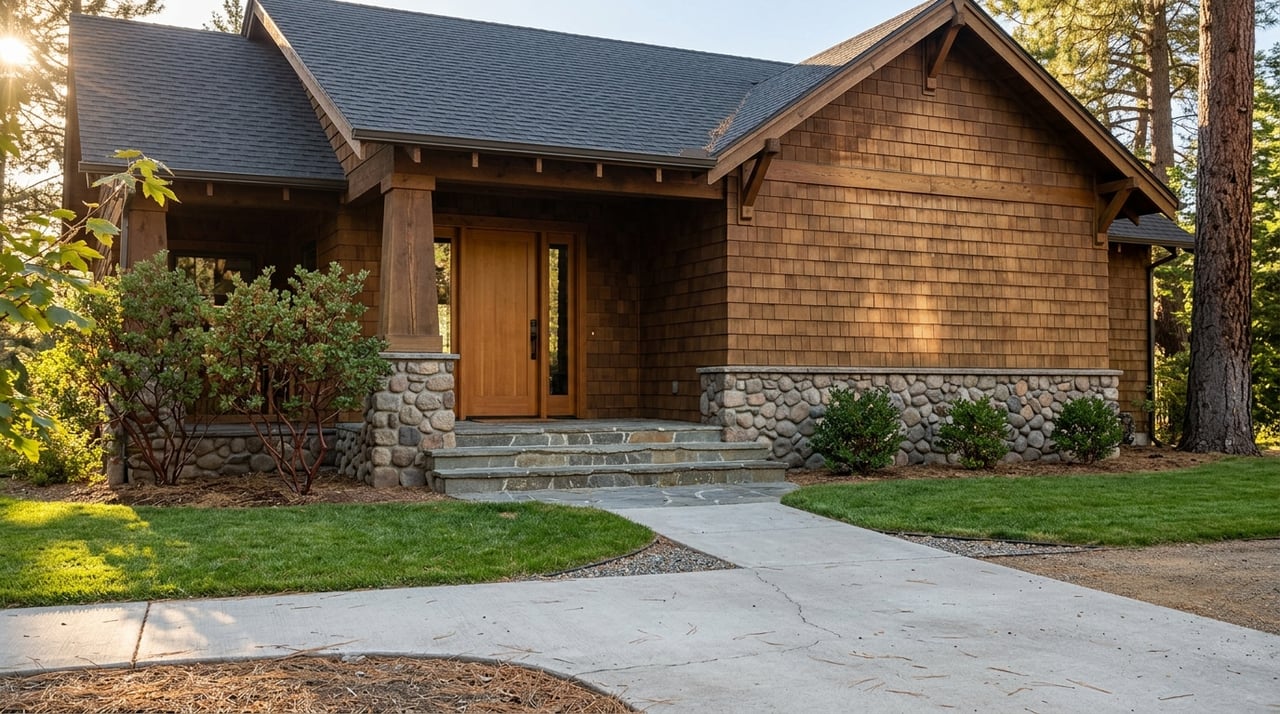
Exterior curb appeal
- Remove leaves, branches, and debris from gutters and around the foundation.
- Power wash siding, decks, and walkways. Clean windows to showcase views and natural light.
- Refresh mulch with rock or low-water, native plantings suited for our mountain climate.
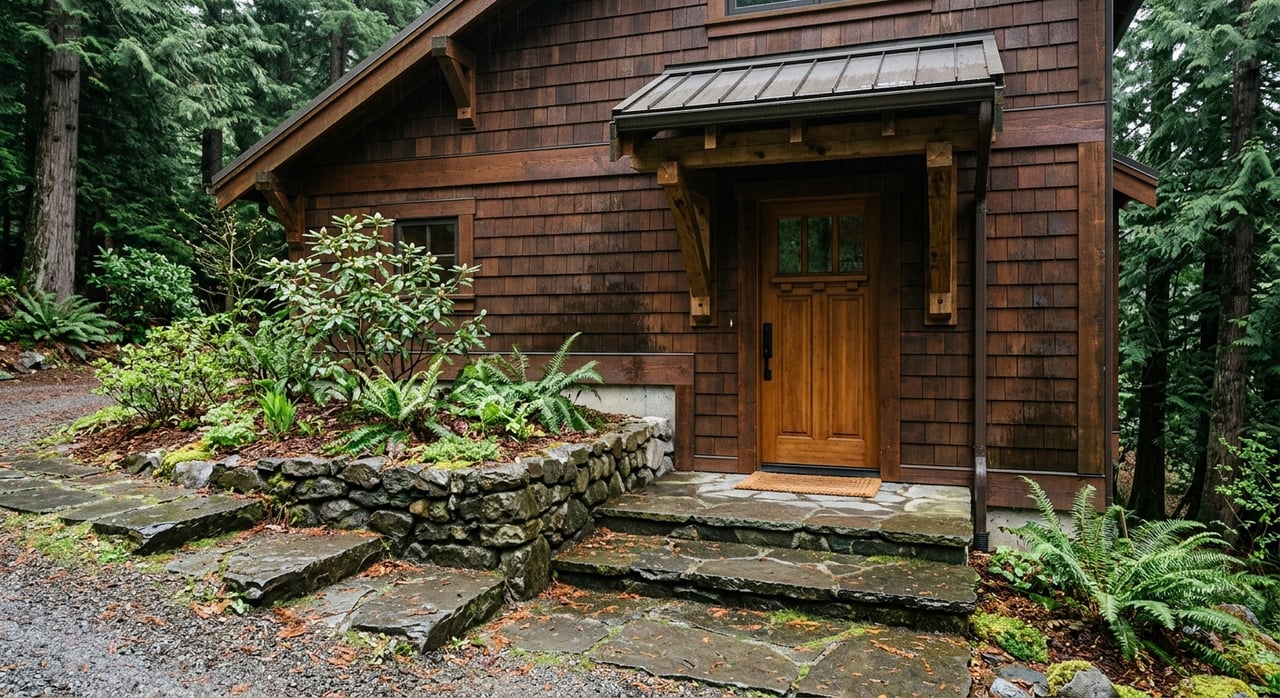
- Repair fencing and mailboxes. Paint or replace the front door if weathered for an instant boost.
Driveway and access
- Fill potholes and re-grade compacted gravel. Add fresh gravel where needed.
- Document any private road agreements and who handles plowing.
- Line up a snow removal plan for showings and communicate it to your agent.
Trees and defensible space work
- Trim low limbs, remove dead brush, and maintain recommended clearance around structures.
- Disclose any required or pending removals and save receipts for tree work.
Interior seasonal staging
- Create a tidy entry or mudroom setup for boots and coats. Mountain buyers value practical storage.
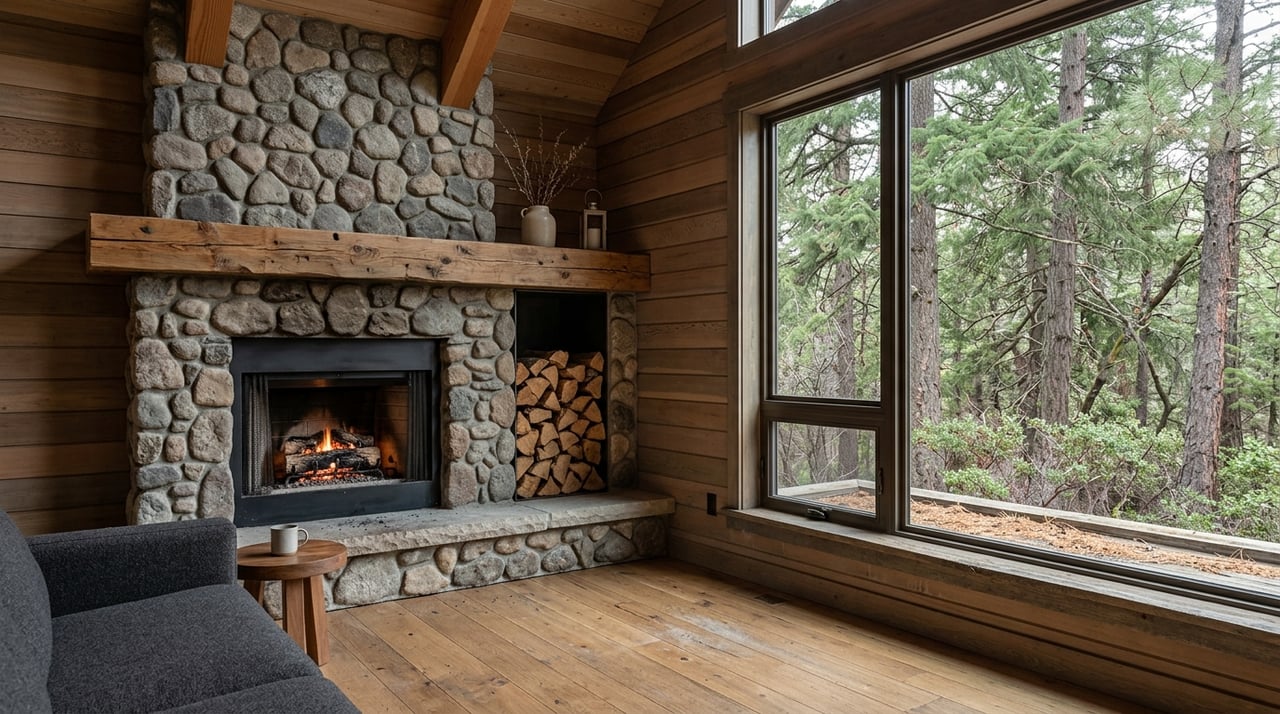
- Keep the home warm and bright during showings. If safe, light the fireplace to highlight comfort.
- Show how irrigation or landscaping is winterized and what the yard looks like in greener months.
Timing your list date
Late spring to early summer typically offers the best curb appeal and easier access. If you list in winter, highlight snow access, heating upgrades, and the plan for clear driveways and safe walk paths.
High-ROI cosmetic updates
Once safety and major systems are handled, focus on simple updates that show well:
- Fresh, neutral paint in high-traffic areas.
- Brighter, energy-efficient lighting and modern, simple fixtures.
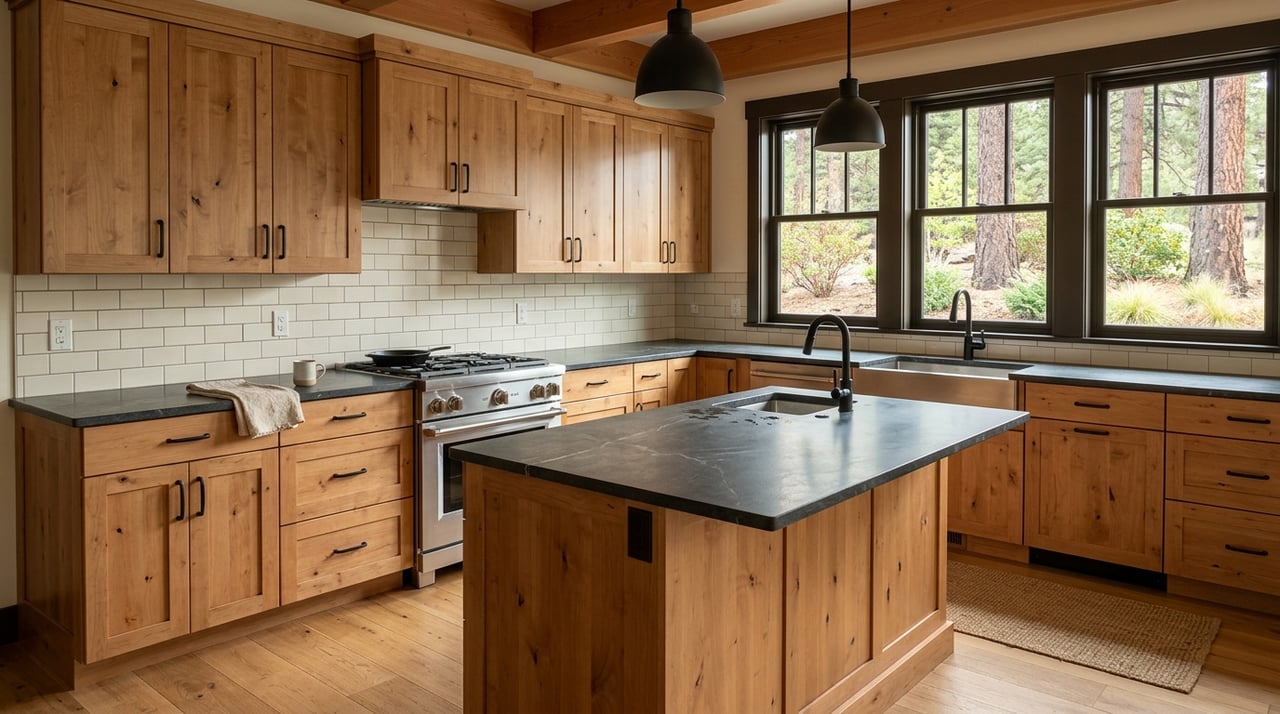
- Kitchen and bath refreshes like new hardware, re-caulked tubs and sinks, clean grout, and updated faucets.
- Repair or replace visibly worn flooring in key rooms.
- Improve drafty spots through weather-stripping or targeted insulation where feasible.
Small, strategic updates can make photos pop and improve first impressions without over-investing.
Presentation and marketing that works here
Professional presentation matters, especially when many buyers are remote.
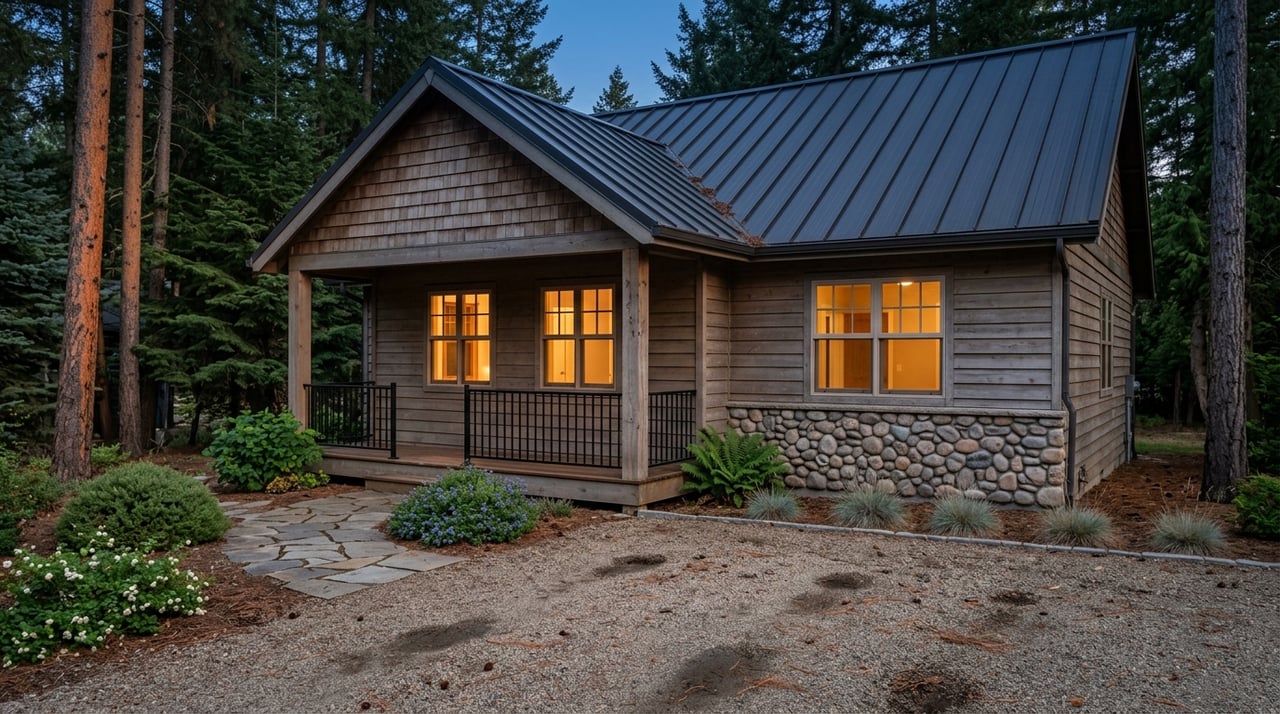
- Photography. Hire a photographer who knows how to capture mountain views, lighting, acreage, and key systems like well houses and outbuildings. Twilight exteriors can be powerful if you have great outdoor lighting.
- Drone imagery. Aerials can showcase land and scenery.
- Virtual tours and floor plans. These help out-of-area buyers understand layout and flow.
- Document package. Organize permits, service receipts, water tests, septic records, and inspection reports in one place. Transparency sets a positive tone.
- Pricing strategy. Work with a Mount Shasta agent who understands micro-markets and adjustments for acreage, views, and utility setups. Limited comps make local expertise essential.
- Showings logistics. Provide clear directions, parking instructions, and notes on where to leave snow gear. If applicable, confirm who will clear walkways before each showing.
Prepare for common buyer questions
Come ready with documentation and straightforward answers:
- Is the water safe? Share recent well tests, pump details, and any treatment systems.
- How old is the septic and how does it perform? Provide permits, pumping receipts, inspection reports, and any repairs.
- What is the wildfire risk here? Provide hazard-zone status, defensible-space receipts, and any home-hardening upgrades like ember-resistant vents.
- Will I get insurance and financing? Encourage buyers to start early with insurers and lenders. Clear records help them evaluate risk.
- How is winter access handled? Share the driveway grade, snow removal arrangements, and seasonal photos if you have them.
Your step-by-step plan
- Meet with a local Mount Shasta listing agent to tailor prep and pricing.
- Gather records: permits, prior inspections, septic and well history, service receipts.
- Order pre-listing inspections where helpful: roof, chimney, septic, well/water quality, and pest.
- Complete safety fixes and priority system repairs first.
- Do seasonal cleanup and curb-improving touch-ups, including defensible space.
- Schedule professional photography and discuss drone, virtual tours, and floor plans.
- Finalize disclosures with your agent and organize your buyer-ready document packet.
Why a local listing agent matters
In a rural, view-driven market with wells, septics, and seasonal access, local experience is not optional. You want a pricing and prep strategy grounded in Mount Shasta-specific realities, plus marketing that reaches both local and out-of-area buyers. With 24+ years in Siskiyou County, 580+ closed transactions, and over $141M in career volume, Krista brings the neighborhood knowledge and premium marketing your sale deserves.
If you are ready to list or just want a pre-listing walk-through and plan, reach out to Krista Cartwright for a free local market consultation. You will get a clear checklist, vetted vendor referrals, and a custom marketing strategy built for Mount Shasta.
FAQs
What disclosures do California home sellers in Mount Shasta need to provide?
- You typically complete a Transfer Disclosure Statement and a Natural Hazard Disclosure; you can review state guidance in the DRE booklet linked above and finalize forms with your agent.
How should I prepare well and septic documentation before listing?
- Gather permits, service and pumping records, and any water-quality tests; consider pre-listing inspections, and see Siskiyou County Environmental Health for local system information.
What wildfire mitigation steps help my Mount Shasta sale?
- Follow Cal Fire defensible space guidelines, document the work with receipts and photos, and check your hazard zone status so buyers and insurers can evaluate risk.
How do I time my listing around Mount Shasta seasons?
- Late spring to early summer usually offers better access and curb appeal, but winter listings can still succeed if you manage snow removal, show warm interiors, and highlight winter access.