Leave a Message

Thank you for your message. We will be in touch with you shortly.

Explore Our Properties

Dunsmuir Historic Homes: Architecture And Buyer Tips

January 15, 2026

Love the idea of a sunlit front porch, built-ins, and real wood floors that tell a story? Dunsmuir’s historic cottages and bungalows offer that charm in a walkable setting, but buying an older home is different from buying new. You want character and comfort without surprise costs or red tape. In this guide, you’ll learn what styles you’ll see, which issues matter most, how to plan inspections and upgrades, and what to know about permits and financing. Let’s dive in.

Why Dunsmuir’s historic homes stand out

Dunsmuir grew with the Southern Pacific Railroad and regional timber economy in the late 19th and early 20th centuries. Many homes date from the 1880s through the 1930s, especially near the town’s walkable core. You’ll find modest Victorian-era cottages alongside early 20th-century American Foursquares and Craftsman bungalows.

These houses often feature wood-frame construction with clapboard or shiplap siding, original wood windows and floors, plaster walls, and porches that face the street. That blend of period features and small-town convenience is a major lifestyle draw.

Styles you’ll see in town

  • Folk Victorian and Victorian cottages (circa 1870–1910): Simple forms, asymmetrical porches, turned posts or light spindlework, and decorative trim. Often wood siding and patterned shingles in gables.
  • Queen Anne influences: Bay windows, varied rooflines, decorative shingle patterns, and wrap-around or partial porches. Typically less ornate than big-city examples.
  • American Foursquare (circa 1895–1930): Boxy two-story form with a low-hipped roof, broad front porch, and efficient four-room floor plans.
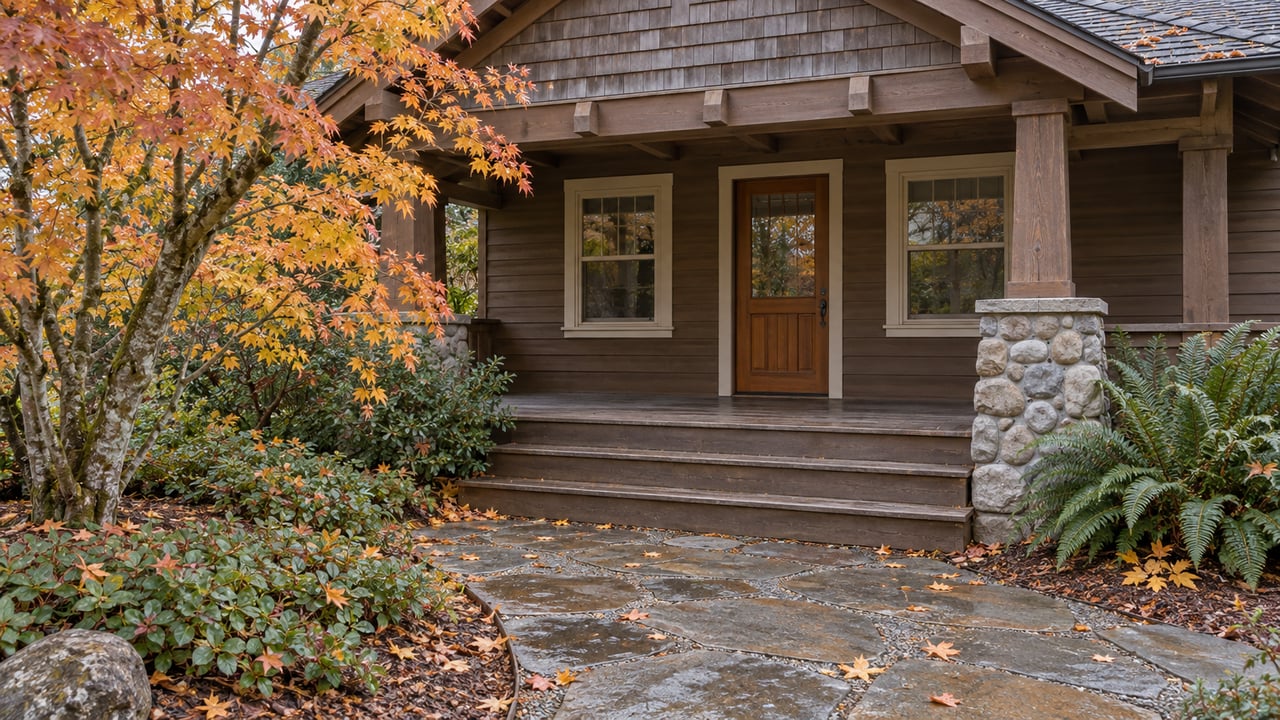
  • Craftsman and Bungalow (circa 1905–1930): Low-pitched gables, deep porches with tapered or squared columns, exposed rafter tails, built-ins, and natural wood trim.
  • Local materials: Wood-frame construction predominates. You’ll often see original wood floors, wood windows, plaster walls, and, in some cases, stone or masonry foundations and piers.

What to check on a tour

Touring with a sharp eye will help you spot strengths and potential projects.

Exterior and structure

  • Foundation type and condition. Many older homes used stone, brick, unreinforced masonry, shallow concrete, or wood piers. Look for cracking, displacement, or signs of settlement.
  • Seismic readiness. Older houses often lack anchor bolts and braced cripple walls. Note if retrofits are visible in the crawlspace.
  • Roof health. Check for damaged shingles, flashing gaps, sagging, or staining. Porch roofs and eaves are common leak points.
  • Wood rot and pests. Probe porch posts and sills for soft or honeycombed wood that can indicate dry rot or termites.
  • Drainage and gutters. Poor site drainage and missing or failing gutters can drive moisture into foundations and walls.

Interiors and systems

  • Plaster and finishes. Hairline cracks are common, but larger step cracks or active movement can point to structural or moisture issues.
  • Original wood floors and trim. These are assets. Note areas needing repair or refinishing.
  • Electrical. Look for older service panels and signs of knob-and-tube or cloth-insulated wiring. Plan for capacity and safety upgrades.
  • Plumbing. Galvanized pipes often corrode internally and reduce flow. Ask about sewer lateral age and condition.
  • Heating and insulation. Many older homes started with stoves or early furnaces. Insulation may be minimal, and single-pane wood windows are typical.

Inspections and testing to order

Line up specialists who understand older construction. A thorough due diligence period is essential.

  • Full home inspection by an inspector experienced with historic houses
  • Termite and pest inspection

Depending on the initial home inspection, your inspector may recommend other inspections such as;

  • Structural engineer for stone, brick, or visibly settled foundations
  • Licensed electrician to evaluate wiring type, service capacity, and grounding
  • Plumbing inspection, including a camera scope of the sewer lateral
  • Roofing contractor assessment for age, flashing, and leaks
  • Chimney and fireplace inspection
  • Lead-based paint risk assessment and asbestos testing if renovations are planned

Seismic, foundation, and moisture basics

In California, seismic retrofits are a high-value upgrade for safety and peace of mind. Common work includes anchoring sill plates to the foundation and bracing cripple walls and crawlspaces. If the foundation is unreinforced masonry or shows movement, consult a structural engineer early.

Moisture control protects both structure and finishes. Prioritize gutters and downspouts that move water away from the house, grading that sheds water, and correct roof-to-wall flashing. Addressing drainage before interior work reduces the chance you’ll undo new finishes later.

Permits, historic status, and review

Before you plan changes, verify whether the property is a local landmark, part of a local historic district, or listed on the National Register. Local designation usually has the biggest impact on what you can alter and what approvals are required. If historic review applies, exterior changes may need a certificate of appropriateness.

Expect building permits for structural work and separate permits for electrical and plumbing upgrades. Contact Siskiyou County Planning and Building or the City of Dunsmuir for current procedures. When in doubt, ask first. Following the Secretary of the Interior’s Standards for Rehabilitation is a smart baseline to preserve character while meeting modern needs.

Local resources can help you understand context and best practices. Consider the Dunsmuir Historical Society for house history, and consult state-level guidance through the California Office of Historic Preservation. Hire contractors and inspectors with historic home experience.

Budgeting and phasing your project

Older homes can be predictable if you plan for the right categories and sequence.

  • Typical needs: electrical panel and wiring upgrades, plumbing replacements, foundation or seismic work, roof repairs, window repair and weatherization, insulation, and HVAC.
  • Budget guardrails: costs vary by scope. Minor comfort upgrades may be a few thousand dollars, while major system or structural work can reach tens of thousands. Get itemized bids before waiving contingencies.
  • Contingency: set aside 10 to 20 percent over written estimates for hidden conditions.
  • Phase your work: handle structure, safety, and weatherproofing first. Then address energy and systems. Finish with cosmetic updates that respect original features.

Energy upgrades that respect character

You can make a historic house more comfortable without losing its soul. Start with the low-hanging fruit: seal air leaks and add attic insulation. Next, consider weather-stripping and careful repair of original wood windows. Many owners add storm windows or interior secondary glazing to boost efficiency while keeping historic sash and glass.

When insulating, prioritize attics and crawlspaces before opening wall cavities. Choose reversible or minimally invasive methods, and match historic materials or profiles when replacement is unavoidable. These steps align with preservation best practices and help maintain long-term value.

Financing, insurance, and resale

If you plan to renovate after closing, look into renovation mortgages. FHA 203(k) and Fannie Mae Homestyle can combine purchase and rehab funds in one loan, subject to lender and program requirements. Your lender can explain eligibility, scope, and timelines.

Insurance carriers may require updates to older roofs, wiring, or plumbing before issuing full coverage. Ask about underwriting standards and earthquake insurance options early in your shopping process. For resale, well-maintained original elements like woodwork, floors, and porches are strong selling points in Dunsmuir’s historic core.

Your step-by-step next moves

  • Research parcel records and past permits, and ask for any recent reports such as pest, roof, septic, or chimney.
  • Tour with a checklist and take photos of foundations, crawlspaces, attics, and roof details if accessible.
  • Schedule specialized inspections and testing based on what you see and what reports reveal.
  • Gather contractor bids for priority repairs and set a realistic contingency.
  • Discuss renovation loan options with your lender if you plan updates after closing.

If you want a local guide who understands Dunsmuir’s historic homes and how to navigate inspections, permits, and negotiations, reach out.  Krista Cartwright offers boutique, high-touch buyer representation to help you purchase with confidence.

FAQs

What do safety and comfort upgrades typically cost in older Dunsmuir houses?

  • Minor upgrades can be a few thousand dollars, while major system or structural work can reach tens of thousands. Get itemized bids and carry a 10 to 20 percent contingency.

Which inspections matter most for a Dunsmuir historic home purchase?

  • Start with a home inspection by an older-home specialist, then add pest, electrical, plumbing with sewer scope, roof, chimney, and structural engineer reviews as needed. Test for lead paint and asbestos if you plan renovations.

Which loans can help finance renovations on a historic home in Siskiyou County?

  • Renovation mortgages like FHA 203(k) and Fannie Mae Homestyle can finance purchase plus rehab, subject to lender approval and program rules.

Turning Moves Into Milestones

More than buying and selling, partnering with Krista means having a trusted advocate who puts your needs and goals first.