Mount Shasta Cabins And A-Frames For Homebuyers
April 2, 2026
April 2, 2026
Dreaming about a Mount Shasta cabin or A-frame? You are not alone, and for good reason. These homes offer the mountain character many buyers want, but in this market, charm is only part of the story. If you are considering buying in Mount Shasta, it helps to understand how style, weather, access, and upkeep all shape the real cost and experience of ownership. Let’s dive in.
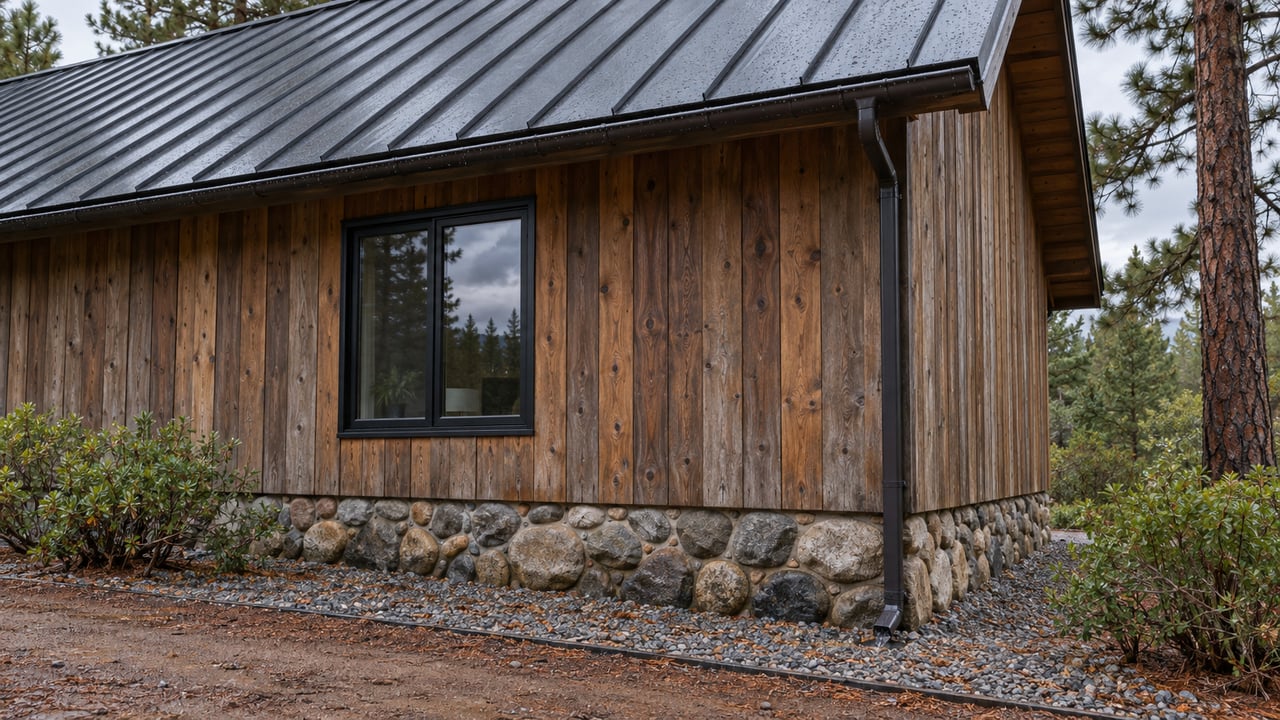
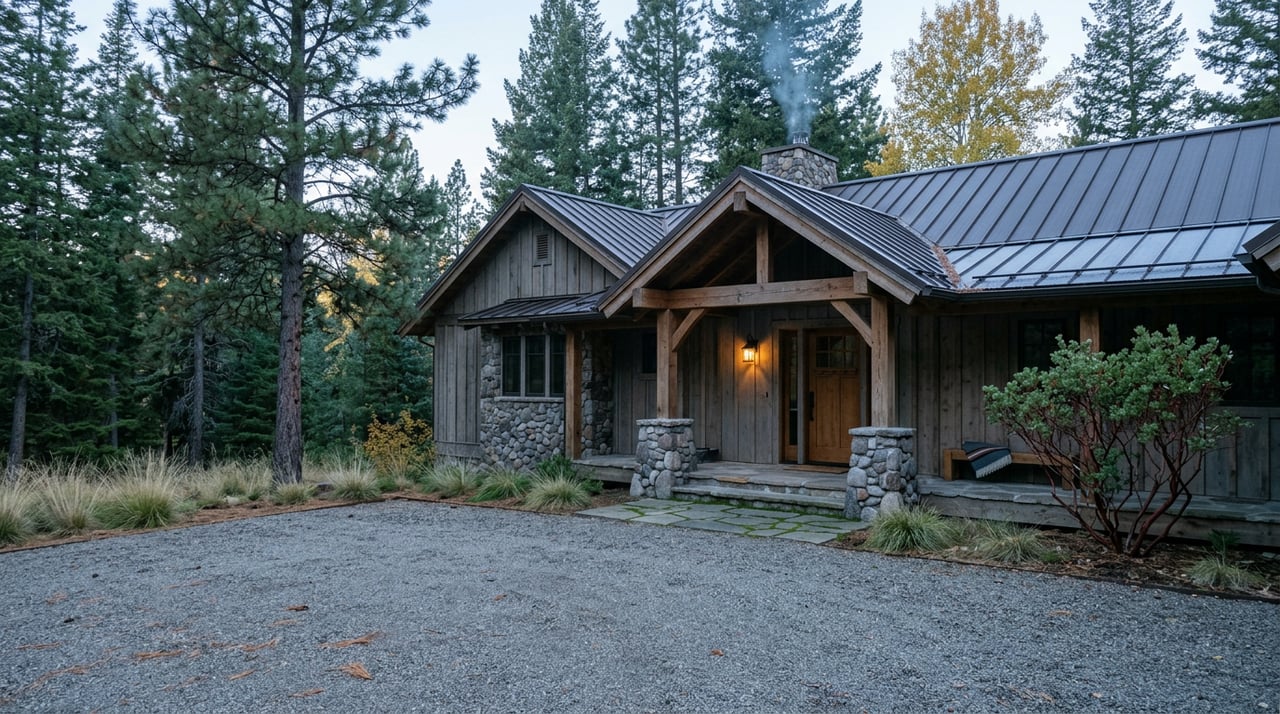
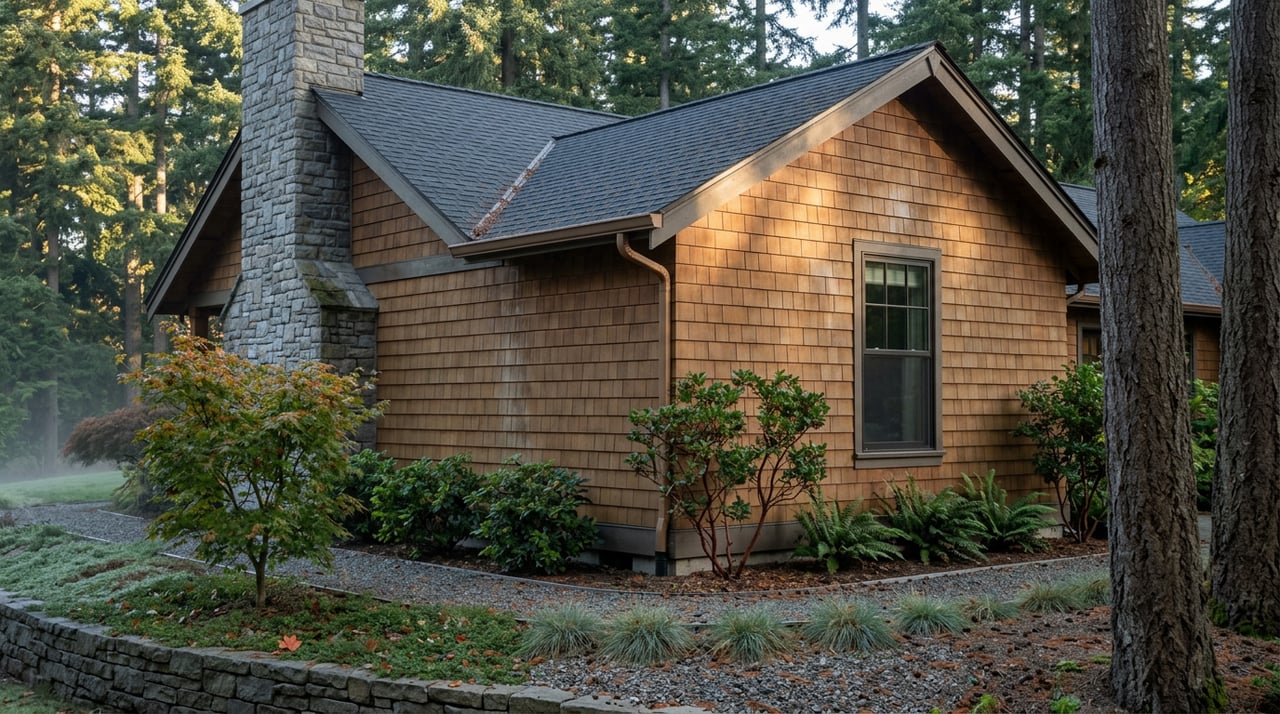
In Mount Shasta, terms like cabin, chalet, and A-frame often describe a home’s look and feel more than a strict property type. Local listings use cabin to signal a wood-rich, mountain-home style, often with features like vaulted ceilings, cedar siding, wood stoves, and rustic finishes, as seen in recent examples such as 611 Chestnut St and 504 Redwood Rd.
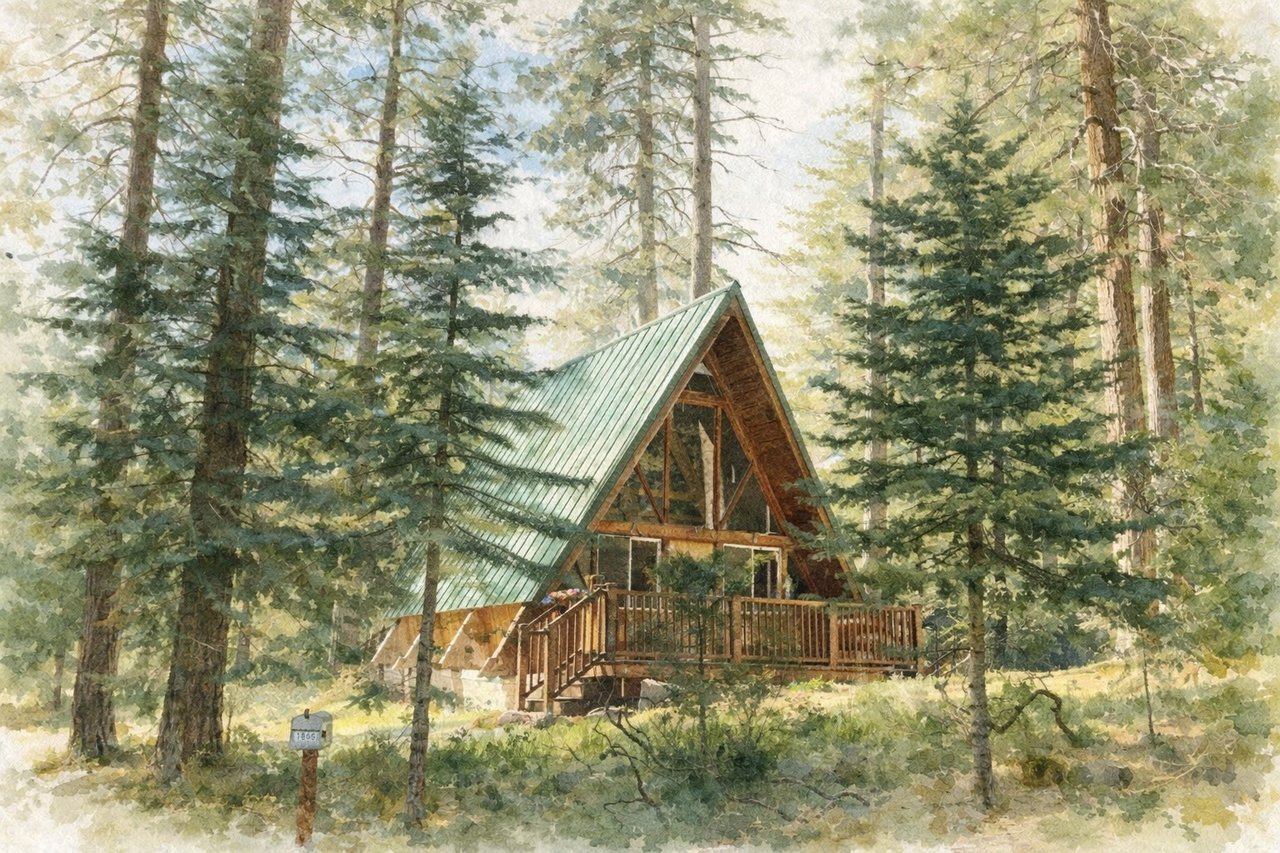
An A-frame is more specific. The USDA Forest Service describes it as a steep roof form designed to shed heavy snow, often with loft space and a compact mountain-living layout. A recent local example, 3525 N Old Stage Rd, shows how that design still appeals to buyers who want classic alpine style.
The word chalet also appears in Mount Shasta listings, though local use is broader than the traditional European definition. Britannica defines a chalet as a timber house associated with Alpine regions, and Mount Shasta listings such as 1526 Rainbow Dr reflect that lodge-like, mountain-oriented feel.
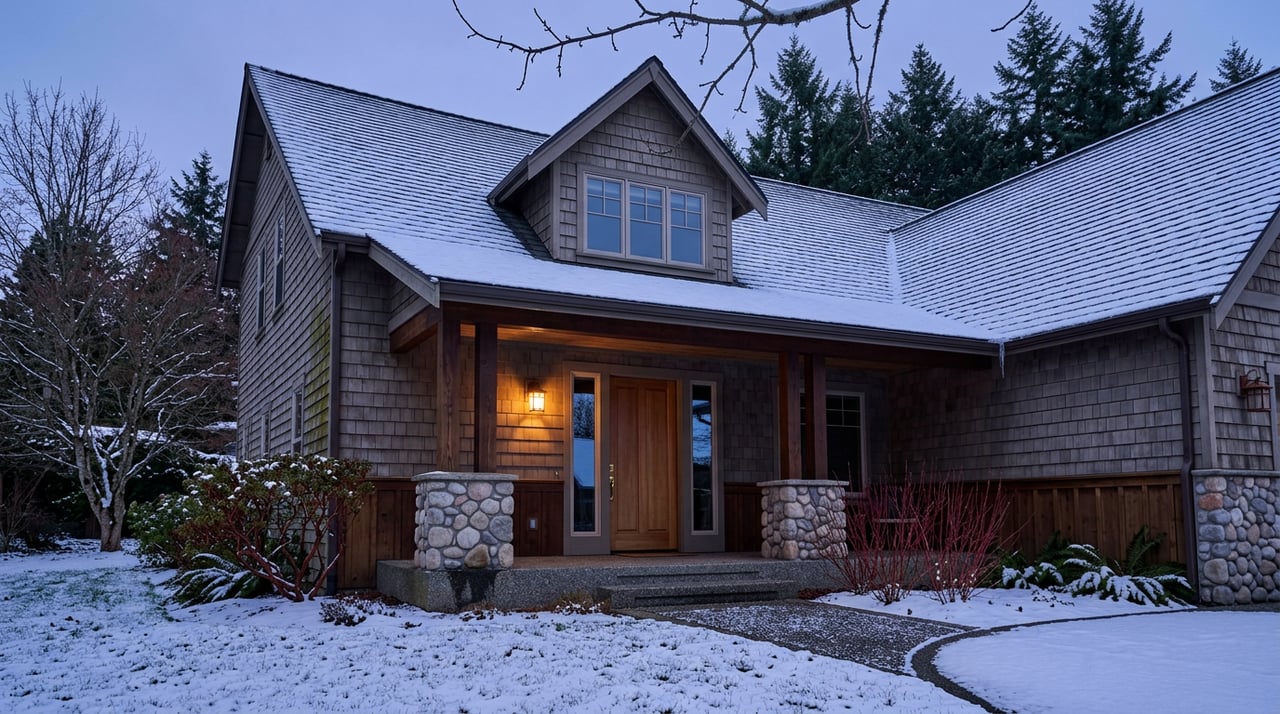
Mount Shasta is a true four-season mountain market, and that matters when you are shopping for a home. According to NOAA climate normals for the Mount Shasta station, the area sees 42.63 inches of annual precipitation and 89.3 inches of annual snowfall, with most snowfall concentrated in winter and early spring.
That climate helps explain why steep rooflines, wood stoves, decks, and mountain views show up so often in local listings. These are not just aesthetic choices. In many cases, they are practical features for living in a place with regular snow, colder winters, and a strong connection to outdoor space.
It also means you should expect more weather exposure than you might in a more typical suburban market. Roofs, siding, decks, driveways, and drainage all matter more when snow and moisture are part of everyday ownership.
One of the first things buyers notice in Mount Shasta is how wide the pricing range can be. That is normal in a small mountain market where lot size, setting, access, utility setup, and home style can all have a big impact on value.
Broad market numbers vary by source. Zillow reports an average home value of $408,000 as of February 28, 2026, while Redfin reports a median sale price of $473,000 last month, and Realtor.com shows a median sale price of $649,000 in December 2025. Those differences are a good reminder to compare active listings, closed sales, and automated valuations carefully.
For cabins and similar mountain homes, recent examples suggest many homes fall in the low-to-mid $300,000s through the $400,000s. 611 Chestnut St sold for $329,500, 1545 Frederick St sold for $402,500, and 3525 N Old Stage Rd sold for $489,000.
At the same time, the market has a very broad top and bottom end. A nearby McCloud off-grid cabin property was listed at $199,000, while a custom log cabin on W A Barr Rd was listed at $5.45 million, according to the research provided. In other words, the label cabin does not tell you enough on its own. You need to evaluate the site, utilities, finish level, and year-round usability.
A cabin or A-frame can be a great fit in Mount Shasta, but these properties reward careful due diligence. Here are the biggest areas to focus on as you narrow your search.
In a snowy climate, roof condition matters from day one. The USDA Forest Service notes that A-frames were adapted to mountain use and heavy snow, which is one reason the style remains popular.
Even so, design alone does not guarantee an easy ownership experience. You will want to look closely at roofing materials, flashing, insulation, signs of leaks, and any evidence of water intrusion around ceilings, lofts, windows, and exterior walls.
Many buyers love the warm look of wood siding, exposed beams, and rustic trim. Just keep in mind that mountain homes often need steady exterior maintenance to stay ahead of moisture and wear.
Utah State University Extension recommends routine tasks such as cleaning gutters, inspecting roofs, trimming vegetation away from the home, recaulking windows, and touching up paint to reduce wood rot and moisture damage. For you, that means checking not just whether a home looks charming today, but whether it has been consistently maintained over time.
In a colder mountain setting, heating systems deserve extra attention. Recent Mount Shasta cabin listings often highlight features like wood stoves, heat pumps, and generators, which can be especially useful during winter weather.
When touring homes, ask what heats the property, how old the system is, and whether there is a backup source. A beautiful cabin feels very different when you picture using it during a snowstorm instead of on a sunny summer weekend.
Winter access is one of the biggest practical questions for mountain buyers. A home may look ideal online, but the driveway, road approach, and snow removal plan can shape your day-to-day experience more than the floor plan.
The research report notes a nearby McCloud and Mount Shasta Forest listing with a $500 annual POA fee that covered road maintenance and snow removal. That is a helpful reminder to ask whether roads are publicly maintained, whether a driveway is steep or gravel, and who handles plowing in winter.
Some Mount Shasta area properties are on city utilities, while others rely on private systems. In more rural settings, this can be one of the most important parts of your due diligence.
Siskiyou County Environmental Health requires permits for water wells and on-site sewage disposal, and the county septic evaluation process requires proof of an adequate water supply before a sewage permit is issued. For buyers, that means confirming whether the home is on public services or private systems, and whether those systems support the way you plan to use the property.
Wildfire preparation is a key part of owning property in and around Mount Shasta. According to CAL FIRE, Fire Hazard Severity Zone maps measure hazard rather than risk, and property owners in certain designated areas must maintain defensible space.
Close to the structure, CAL FIRE recommends clearing leaves and debris from roofs and gutters, pruning branches away from chimneys, and keeping flammable items away from decks and stairs. If you are comparing two homes, one with strong defensible-space maintenance may be easier to manage than one that needs major cleanup right away.
A-frames stand out for a reason. Their shape is iconic, they fit the mountain setting well, and their steep roofs are practical in snowy conditions.
But they also come with layout tradeoffs. The USDA Forest Service notes that inward-sloping walls can make interiors feel less flexible. In real terms, that can affect furniture placement, storage, headroom, and how useful loft or upper-level space feels once you move in.
If you are drawn to an A-frame, make sure you are buying the actual layout, not just the look. Spend extra time evaluating ceiling height, usable square footage, stair design, and whether the home works for your everyday routine.
When you tour Mount Shasta cabins and A-frames, bring a checklist that goes beyond finishes and views.
The goal is simple: make sure the home fits both the lifestyle you want and the practical reality of mountain ownership.
In Mount Shasta, two homes with similar square footage can offer very different ownership experiences. One may be easy to maintain and accessible year-round, while the other may come with more upkeep, utility questions, or seasonal limitations.
That is why local context matters so much. When you understand how weather, road access, utility setup, and home style work together, you can make a more confident decision and avoid expensive surprises later.
If you are thinking about buying a cabin, chalet, or A-frame in Mount Shasta, working with a local guide can help you compare options more clearly and focus on the homes that truly fit your goals. When you are ready to explore the market, connect with Krista Cartwright for a local, thoughtful approach to buying in Siskiyou County.
Stay up to date on the latest real estate trends.
More than buying and selling, partnering with Krista means having a trusted advocate who puts your needs and goals first.