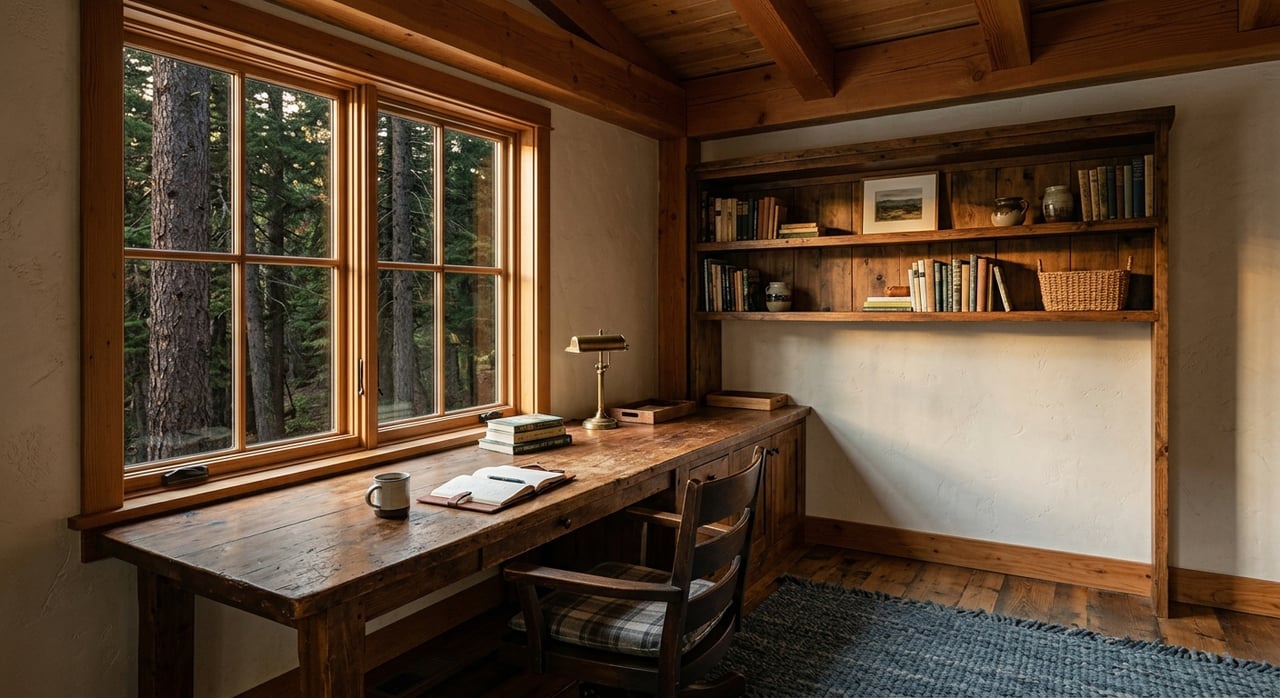
Relocating to Mount Shasta for Remote Work Success
May 7, 2026
May 7, 2026
If you can work from anywhere, Mount Shasta can feel like a dream. You get mountain views, a slower pace, and a true four-season setting, but remote work here is not just about scenery. Before you move, you need to understand how housing, internet, weather, and local rules can affect daily life. Let’s dive in.
Mount Shasta offers something many remote workers want: a small-town setting with regional access and a strong sense of place. Interstate 5 runs through the city, with access at West Lake Street and ramps on North Mount Shasta Boulevard, so travel in and out of town is straightforward by highway.
If your work involves occasional flights, the region is still largely car-oriented. Redding Regional Airport is the commercial airport in Shasta County, with direct service to San Francisco, Los Angeles, and Seattle. That setup can work well if you travel sometimes, but most errands and airport runs still tend to depend on driving.
For many buyers, the bigger draw is lifestyle. Mount Shasta is a true mountain market with snowy winters, dry summers, and a built environment shaped by that climate. If you want a home base that supports both focused work and access to the outdoors, this area often stands out.
One of the biggest mistakes remote buyers make is assuming internet quality is the same across town. In a mountain area, broadband can vary by parcel, terrain, and provider coverage, so it is important to verify service at the exact address.
The FCC broadband map help guidance and California’s broadband map tools both support address-level searches. That means you can review reported availability for a specific property instead of relying on broad claims about the city.
SnowCrest lists wireless internet service in Mount Shasta and McCloud, along with DSL and a business 100/25 VDSL plan. Even so, the company notes that some locations require site validation to confirm availability and signal strength. For remote work, that makes address-specific confirmation a must.
If you plan to work from home full time, local land use rules matter more than many buyers expect. Mount Shasta’s Planning Department handles home occupation permits as part of its current planning work, along with zoning, subdivision review, and design standards.
That matters if you want more than a simple desk setup. If your work includes client visits, signage, storage, added structures, or future changes to the property, you should review zoning and permit requirements early in the process.
The city is also actively updating housing policy. Current planning work includes attention to short-term rentals and tiny homes on wheels, and the city approved an amendment to its 2023 to 2031 Housing Element in August 2024. For a relocation buyer, that means future use and resale strategy can depend on local regulations as much as the house itself.
A property may look perfect online, but the real fit depends on how you plan to use it. If you want a separate studio, a guest space, or future rental flexibility, it is smart to confirm what is allowed before you commit.
Mount Shasta is not a one-style housing market. The city’s zoning code includes low-density, medium-density, high-density, and planned development districts, which means buyers may see everything from single-family homes to infill lots and more compact residential options.
Some low-density residential areas also have a 10,000-square-foot minimum lot size. That can affect how much outdoor space you have, what additions may be possible later, and how a property fits your long-term plans.
For regional context, Siskiyou County QuickFacts show a 65.6% owner-occupied housing unit rate, a median owner value of $366,400, and median gross rent of $1,317 in 2020 to 2024 ACS estimates. Those are countywide figures rather than Mount Shasta-only numbers, but they help frame the broader market.
Accessory dwelling units can be especially useful for remote workers. A separate structure or unit may support guests, multigenerational living, a creative studio, or simply a quieter work area.
In Mount Shasta, ADUs and Junior ADUs require Planning Department approval. The city also defines ADUs as long-term units on a single-family lot, which is important if you are comparing properties based on flexibility.
That does not mean every property can support an ADU in the way you imagine. Lot size, zoning, access, and city approval all matter, so this is an area where local guidance can save you time and help you focus on realistic options.
Remote work can make it easier to live in a mountain town, but the home itself still needs to match the climate. Mount Shasta’s building design criteria list a ground snow load of 86 psf and Climate Zone 16, which gives you a clear picture of the demands placed on homes here.
NOAA normals for the Mount Shasta station show 42.63 inches of annual precipitation and 89.3 inches of annual snowfall. Winters are much colder than summer, so home systems and access features are not small details. They are part of daily livability.
When you tour homes, pay close attention to:
A house can feel ideal in clear weather and very different during a storm. Since Public Works manages snow removal, water distribution, wastewater collection, drainage, and streets, in-town services are locally handled. Still, your specific driveway, site layout, and access route remain important parts of the buying decision.
If you are relocating from a milder climate, this is one of the biggest adjustments. A beautiful mountain setting often comes with more seasonal planning, especially in winter.
Remote work does not always mean you never leave town. If you visit clients, meet family, or fly out a few times a year, it helps to think through travel patterns before you choose a location.
Interstate 5 is the main regional corridor, so many trips will depend on highway conditions. In winter, Caltrans notes that conditions can change while you are already on the road, and chain controls may be imposed.
That does not make travel impossible. It simply means occasional trips may need more planning than they would in a major metro area. For many buyers, that tradeoff is worth it, but it should be a conscious one.
In addition to winter conditions, wildfire planning is part of life in many Northern California mountain areas. CAL FIRE classifies fire hazard severity zones statewide as moderate, high, or very high, and city planning documents discuss fire hazards in the Mount Shasta planning area.
For buyers, this means it is wise to ask practical questions during due diligence. You may want to understand site conditions, defensible-space expectations, and how the property has been maintained with seasonal risk in mind.
This is not just about the land. It is about choosing a home you can live in comfortably and manage confidently throughout the year.
If you are serious about relocating to Mount Shasta for remote work, focus on the basics before you fall in love with a view.
Here is a practical checklist:
These steps can help you avoid surprises and choose a property that supports both your work and your lifestyle.
Relocating to a mountain market is different from buying in a large suburban area. The details that matter most are often highly local, like parcel-specific internet, seasonal access, zoning, and how a property functions across all four seasons.
That is where local experience can make a big difference. When you understand not just the listing, but also the surrounding context, you can make a more confident decision and avoid spending time on homes that do not truly fit your goals.
If you are exploring Mt. Shasta real estate for remote work, a local guide can help you narrow in on neighborhoods, property types, and practical tradeoffs that match how you actually live and work.
If you are considering a move, Krista Cartwright can help you evaluate Mount Shasta homes with a local, practical lens so you can buy with more clarity and confidence.
Stay up to date on the latest real estate trends.

More than buying and selling, partnering with Krista means having a trusted advocate who puts your needs and goals first.