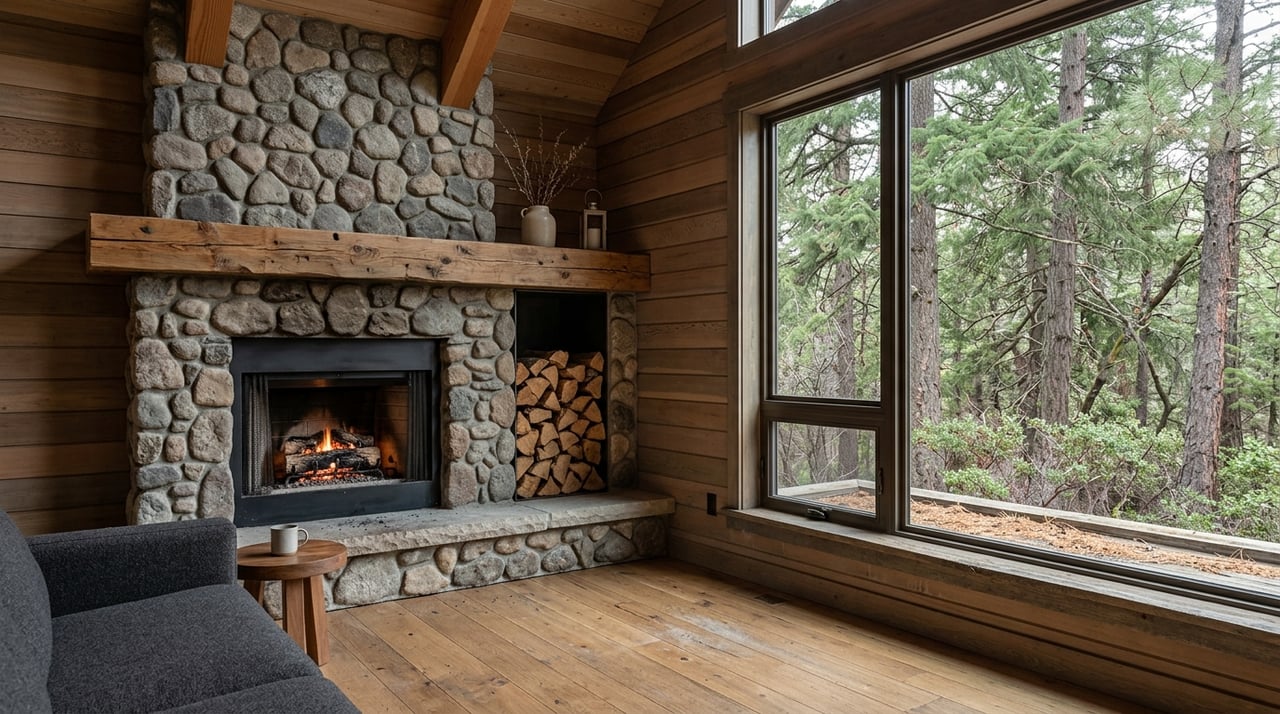
Mount Shasta Second Home Buying: What to Know
June 25, 2026
June 25, 2026
Dreaming about a Mount Shasta getaway? A second home here can offer the mountain setting, privacy, and slower pace you may be looking for, but it also comes with practical details that matter more than they would in a typical city purchase. If you are thinking about a retreat, cabin, or occasional-use property, it helps to understand zoning, winter conditions, utilities, and rental rules before you fall in love with a listing. Here is what to know so you can buy with more clarity and confidence. Let’s dive in.
Mount Shasta appeals to buyers who want a stand-alone home experience instead of dense resort inventory. According to the city’s housing element, about 63% of the local housing stock is detached single-family homes, with much smaller shares of attached homes, larger multifamily buildings, and mobile homes.
That matters when you start your search. In many cases, you are more likely to find cabins, traditional houses, and homes on individual lots than a lock-and-leave resort product. For many second-home buyers, that can be a plus, but it also means you need to look closely at maintenance, access, and property systems.
In Mount Shasta, a second-home purchase is not just about the house itself. It is also about the parcel, its zoning, and whether your intended use is allowed. That is especially important if you hope to use the property part time and possibly rent it occasionally.
The city’s planning guidance makes parcel-specific zoning a key part of due diligence. Current short-term rental permit applications are being accepted only for C-1 and C-2 parcels. If rental income is part of your plan, that question needs to be answered early. If the property is located outside city limits, within Siskiyou County, the home must have at least 2.5 Acres to qualify for short term rental license.
A home’s past use does not automatically guarantee your future use. The city’s September 2024 ordinance says some short-term rental permits are annual, renew each fiscal year, and do not run with the land. If ownership changes, the permit expires unless the new owner applies within 30 days of purchase.
That means a property marketed with rental history should still be reviewed carefully. You want to confirm current parcel eligibility and permit status rather than assume the setup transfers with the sale.
Some buyers also ask about adding a guest cottage or separate living space. In Mount Shasta, accessory dwelling units are treated as long-term housing on single-family residential lots, and new ADUs must be permitted through the Planning Department.
That can be useful if you want flexible long-term living space. It is not the same thing as a short-term rental permit, so it should not be used as a substitute in your planning.
A Mount Shasta retreat comes with real four-season ownership. NOAA normals for the Mount Shasta station show 42.63 inches of annual precipitation and 89.3 inches of annual snowfall. January and February are typically the snowiest months, with averages of 18.2 and 20.3 inches.
The city’s design criteria reflect the local climate. Mount Shasta uses a ground snow load of 86 psf, a residential roof live load of 60 psf, a frost depth of 12 inches, and wind design values of 80 mph fast-mile and 95 mph 3-second gust.
For you as a buyer, those numbers point to a practical checklist:
A beautiful cabin can still be the wrong fit if winter ownership will feel difficult every time you arrive.
Within city limits, Mount Shasta Public Works handles snow removal. The city also states that vehicles, trailers, and other obstructions must be moved off the roadway during snow-removal events or they may be cited or towed.
The city provides temporary snow-parking lots, which can help part-time owners and guests. If you are considering occasional rental use or hosting friends and family, it is smart to think through where everyone will park during winter weather.
One of the first questions to answer is whether a property sits inside city limits or in unincorporated county territory. That single detail can affect utilities, permits, due diligence, and long-term maintenance.
Inside city limits, Public Works is responsible for snow removal, water distribution, wastewater collection, drainage, and the wastewater treatment plant. Outside city limits, property systems may depend on private wells and individual sewage disposal systems reviewed through Siskiyou County Environmental Health.
If the home is on city services, that can simplify some aspects of ownership. At the same time, the city says its drinking water comes from a gravity-fed spring source, and that supply is limited and vulnerable to drought. The city also notes that temporary chlorination can occur under certain water-quality conditions.
That does not mean city service is a drawback. It simply means water supply should be treated as an important local ownership topic, especially if you are comparing several properties with different utility setups.
For homes outside city services, Siskiyou County Environmental Health reviews and permits sewage disposal systems, water wells, and water systems. County land development review may include floodplain management, septic review, well site review and permit issuance, well installation, and proof of adequate water quantity and quality when needed.
This is one of the biggest areas where out-of-area buyers can get caught off guard. A rural retreat may offer more land or privacy, but it can also require more up-front investigation.
Many second-home buyers like the idea of offsetting carrying costs with occasional rentals. In Mount Shasta, that plan needs to be grounded in current city rules and a realistic cost model.
The city is accepting short-term rental permit applications only for eligible C-1 and C-2 parcels, and illegal listings can trigger a $500 daily fine. The city also states that it does not have an agreement with Airbnb to collect or remit city taxes on an owner’s behalf, which means owners remain responsible for compliance.
The current transient occupancy tax is 12% of lodging stays, and the Siskiyou County Tourism Improvement District assessment is 2% of lodging stays. Those costs should be part of your rental math from day one.
You will also want to think beyond platform income and include:
A second home can still be a strong lifestyle purchase even if rental income is modest. The key is to evaluate it with clear expectations.
If you expect to handle some outdoor maintenance yourself, know the local rules. The city requires burn permits for dooryard burning, permits are valid from July 1 through June 30, and household trash burning and burn barrels are prohibited.
That may seem like a small detail, but it is part of understanding how seasonal upkeep works when you own a mountain property.
When you are comparing Mount Shasta homes, a simple framework can help you focus on what matters most. The best retreat fit is usually the one that matches both your lifestyle goals and the realities of the parcel.
Here are the questions worth answering early:
These questions can save time, reduce surprises, and help you choose a retreat that works well in every season.
Buying a second home in Mount Shasta is exciting, but it is also very local. Two homes with a similar price and feel can have very different ownership realities depending on parcel zoning, city services, winter access, and maintenance demands.
That is where local perspective matters. Krista Cartwright helps buyers look beyond the photos and evaluate how a property is likely to function in real life. If you are considering a Mount Shasta second home or retreat, connect with Krista Cartwright for a local market consultation.
Stay up to date on the latest real estate trends.
More than buying and selling, partnering with Krista means having a trusted advocate who puts your needs and goals first.